

 4 Min Read
The Dangers to Brands That Ghost Pride Month, Soaring Credit Card Debt Is the New Normal, & Aesthetic Wellness Is Booming
The latest trends in society and culture from The Harris Poll
Hello from Milan.
One interesting number: 30. New Harris data suggests that the comedy movie Horrible Bosses might really be a documentary: Just three in ten (30%) employees in the workplace say their leaders are “exceptional,” and nearly a fifth (16%) are calling them “outdated.”
Why Brands Should Support Pride Month
It’s Pride Month, and support from brands is eroding amid today’s culture wars. In a provocative Harris-USATODAY investigation, our CSO Libby Rodney and team detail why going quiet this month is perhaps the most expensive mistake a brand can make.
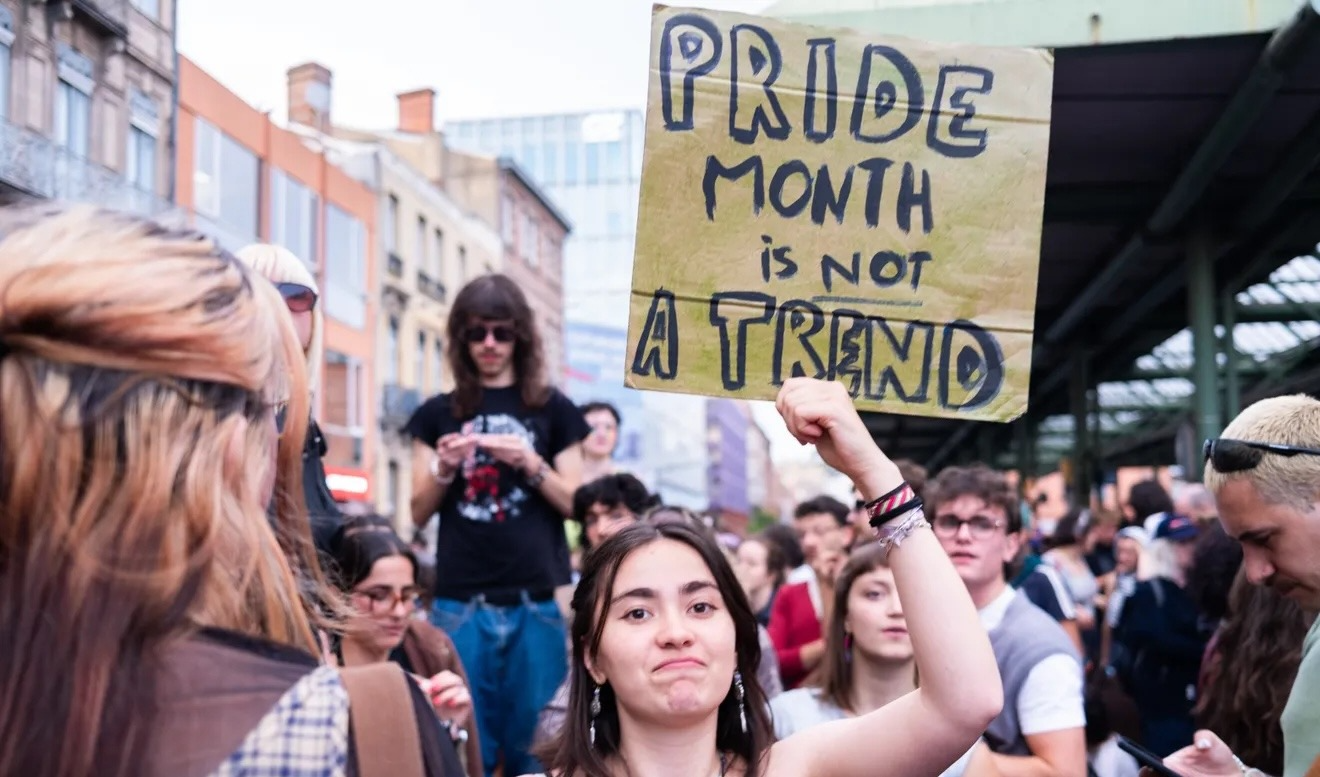
- What we found: Corporate sponsorships are down from previous years, and consumers are taking note: Three-fourths (76%) have noticed brands pulling back support over the last two years.
- The stat you can’t ignore: Brands are ignoring their future with younger consumers. Surprisingly, one in four Gen Z now identifies as LGBTQIA+ in our polling.
- What to consider: The LGBTQIA+ community isn’t just an audience, but a starting point in American culture. Two-thirds of straight Americans say LGBTQIA+ culture shapes humor, language, and style, and makes brands feel culturally relevant.
What this means: “In the near future, there will be brands and AI agents. The agents will be cheaper and faster at the consuming part. The only thing that separates a brand from a vending machine is knowing what it stands for and whom it shows up for,” writes Libby. “Brands that flinch are losing trust, recommendations, and their spot…to competitors who didn’t flinch, who stuck around and kept showing up when it got hard. The real question for brands: can they risk it?”
The New Normal of Credit Card Debt
Amid persistent inflation and high interest rates, collective household debt is growing, according to our new NerdWallet-Harris Poll, leading to a new normalization of the debt hanging over American families.
- What we found: Half of consumers (49%) say carrying revolving credit card debt is normal.
- The stat you can’t ignore: Yet, Americans continue to fall behind on the looming $1.25 trillion credit card bill.
- What to consider: This reflects the growing trend we’ve been tracking on the divide between the economic data and lived consumer experiences. Case in point: the phantom debt from BNPL loans that have racked up and remained hidden behind online transactions we found in 2024.
What this means: Even though income growth (27%) continues to outpace cost of living (+25%) since 2020, cracks are showing: “Not everyone’s income is keeping up with their cost of living, so many may go into debt not just for major purchases, but for everyday purchases, too,” says Sara Rathner, a NerdWallet credit cards expert. “It’s no wonder that so many Americans seem to view credit card debt payments as just another line item on their monthly budgets.”
Aesthetic Wellness is Raking in Big Bucks
When more and more people are using social media to inform their wellness than their PCP, it’s no surprise that aesthetics has become a prominent aspect of health and wellness today.

- What we found: Nearly two-thirds of Americans (63%) agree aesthetics are a key part of wellness, including (73%) of Millennials.
- The stat you can’t ignore: The red light therapy market surpassed $440 million last year. North America alone accounts for over 50% of the Botox global market revenue, with more than 4.7 million Botox treatments administered annually in the U.S.
- What to consider: This isn’t a trend to find shame in. #GlowUp has 32.1M posts on TikTok. From high to low maintenance is the latest grooming phenomenon. GLP-1 users (81%) are willing to tell anyone they are using the medication for weight loss.
What this means: This is more than just vanity healthcare. Consumers want agency and ownership in their health and wellness choices. They’re leaning into an “inside-out” health and beauty perspective that doesn’t negate the influence aesthetics have on their own overall wellness. To get involved, these consumers don’t want band-aids; they want health brands to support them through their entire health journey, not just at points in time.