

 4 Min Read
What’s The Story behind the latest research? The Harris Poll helps you turn insights into strategic business impact.
(4-minute read) 5 stories, 1 thread: Trust isn’t built in a campaign or a quarter. It’s earned by showing up: usefully, consistently, and where it counts.
The Betterment Doctrine: According to The Axios Harris Poll 100, companies Americans trust most in 2026 share one trait – they make people’s lives measurably better.
Trusted, relevant, or losing ground?: New HarrisQuest research maps 245+ brands on the Trust–Relevance matrix. Find out how to make your brand relevant and trusted.
LGBTQ+ and brands: How inclusion shapes consumer trust and loyalty.
Mobile privacy crisis: Eight in ten Americans trust their phones for sensitive info. But new research exposes the gaps.
Coolest brands per LGBTQ+ adults: On cool, the U.S. agrees. On trust, this audience writes its own rules.
Axios 100: The Betterment Doctrine

Every reputation score sits on top of one quiet question: Does this company make your life better?
The 2026 Axios Harris Poll 100 shows Americans asking that question with new urgency – and answering it with unusual clarity. We call it the Betterment Doctrine.
The mid-2020s feel a lot like the mid-1970s. Stagflation is back, affordability fatigue is everywhere, and hard work no longer guarantees security. In that climate, Americans want companies to be useful. The brands rising this year make people feel measurably better off. The brands falling are the ones that put their own margins first – and got caught.
Takeaway: Reputation now turns on a single test – do the people you serve feel better for having engaged with you?
Read more about The Betterment Doctrine
Is Your Brand Trusted, Relevant, or Quietly Losing Ground?
Most brand leaders track one thing at a time: Trust or Relevance. Rarely both, and almost never together. That blind spot is where brands lose ground without noticing.
New research from Harris Quest maps 245+ U.S. brands on the Trust–Relevance matrix – and shows what each position means for the decisions ahead. You’ll see where major brands sit today, why composite scores hide the risks that matter, and where brand equity is fracturing generation by generation. Case studies on Bud Light, Mayo Clinic, and Toyota show the data behind real decisions.
Takeaway: The brands that weather crises and hold pricing power keep Trust and Relevance in balance. This guide shows you how to measure yours.
How LGBTQ+ Inclusion Shapes Consumer Trust and Loyalty
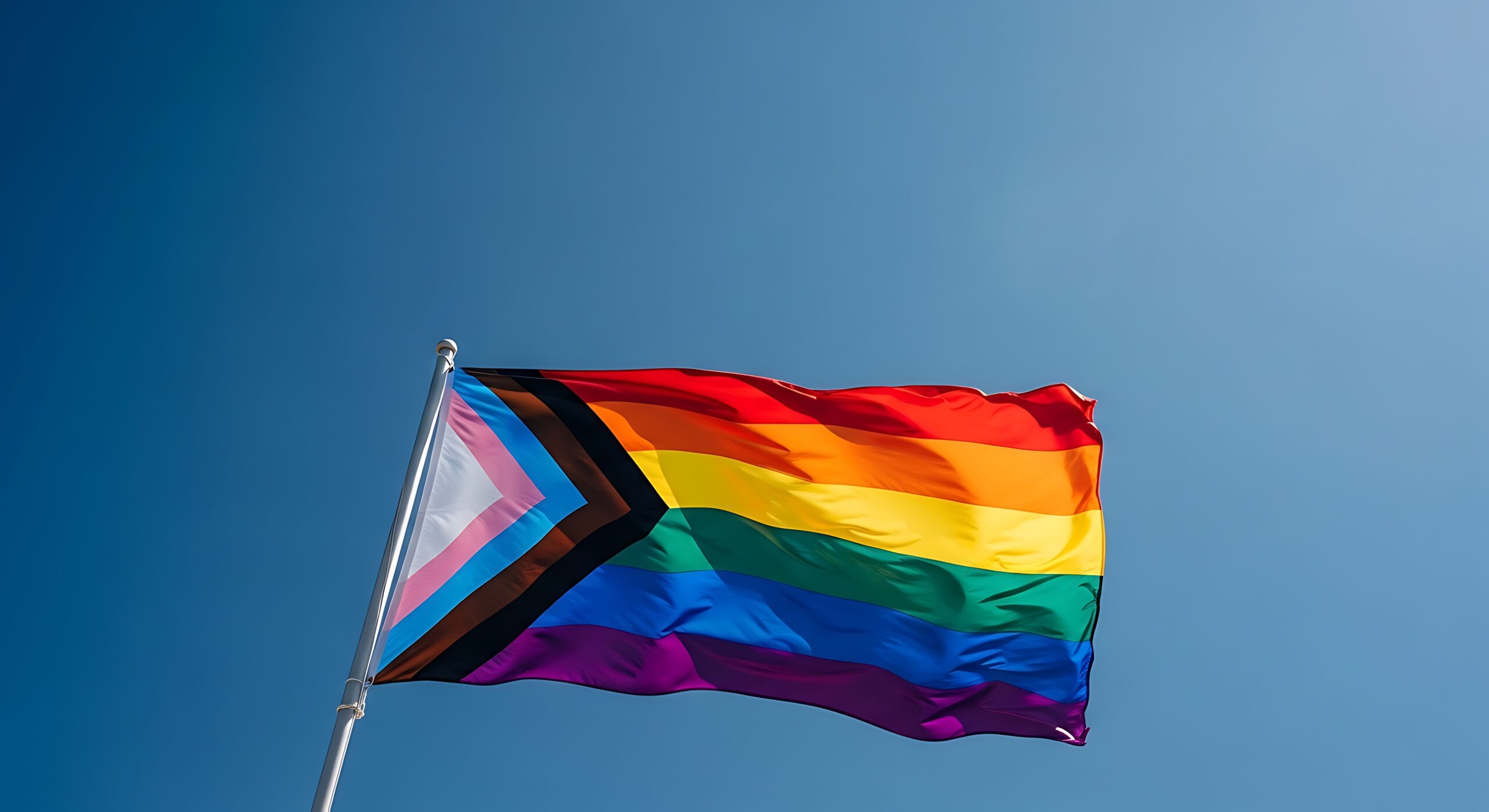
The brands cutting LGBTQ+ support are walking away from their highest-spending, most influential customers.
Our latest research finds 77% of LGBTQ+ consumers will pay more for a brand that meaningfully supports the community – rising to 86% among LGBTQ+ Gen Z. 64% already have, twice the rate of everyone else. They’re also the audience that drives what goes mainstream, 16 points more likely to introduce others to new brands and trends.
But they keep score. 84% lose trust in brands that retreat under backlash. What earns the reward is steadiness: 89% trust brands more when support stays consistent over time.
Takeaway: Show up year-round and you win them. Go quiet and you hand them to a competitor.
Securing the Line: America’s Mobile Privacy Crisis
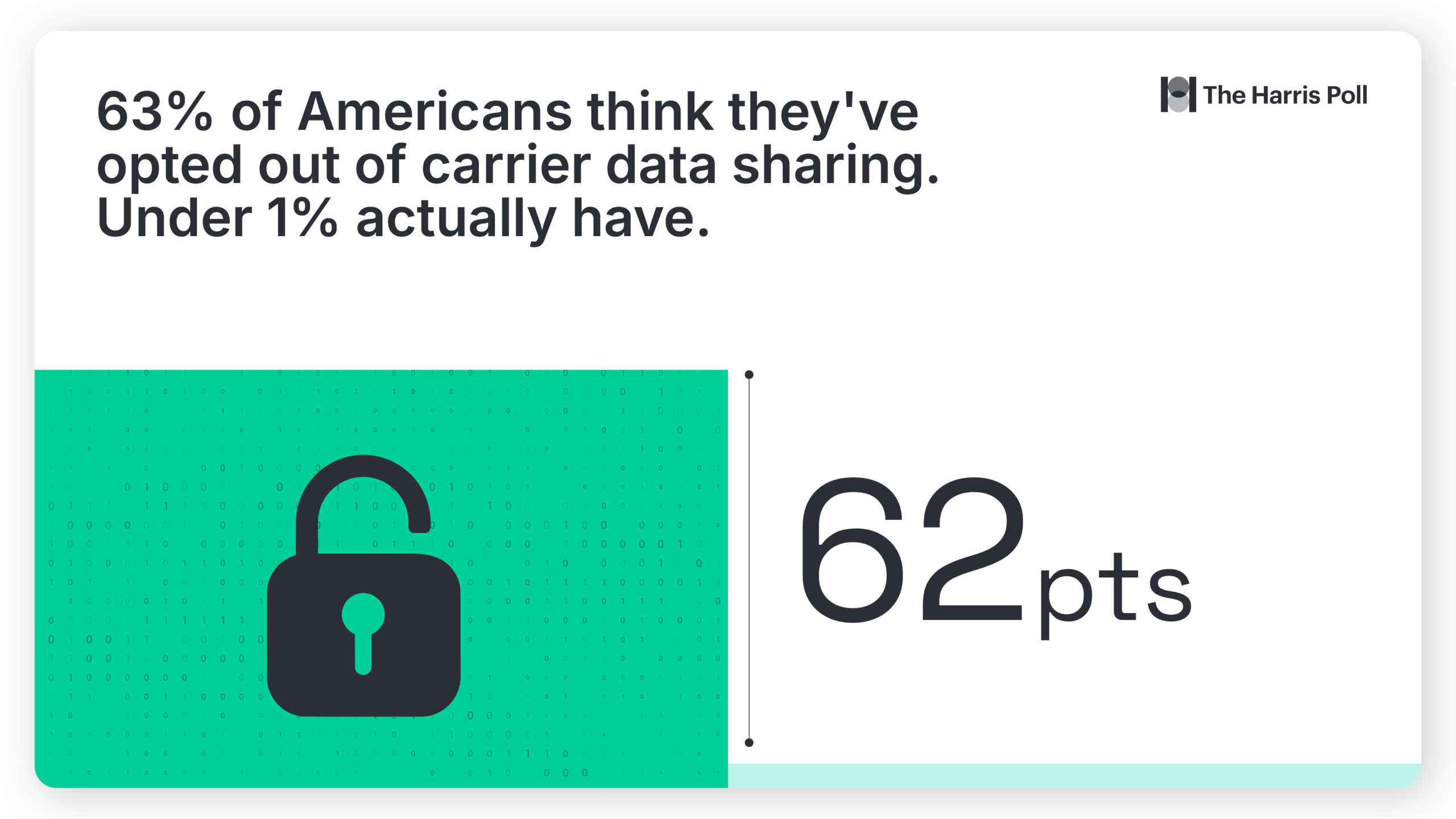
Your phone holds your most sensitive moments: the call to a doctor, the code from a bank, and the message to your child’s school. Most Americans trust these channels completely – more than eight in ten trust phone calls for sensitive info, and three-quarters say the same for SMS.
That trust hides a paradox. The channels people rely on most are the ones that expose them most, through the cellular networks beneath the screen where no privacy setting can reach.
Takeaway: Nearly two-thirds would switch to a provider offering stronger privacy, rising to 74% among Millennials.
Which Brands Do LGBTQ+ Adults Think Are Cool, but Don’t Trust?
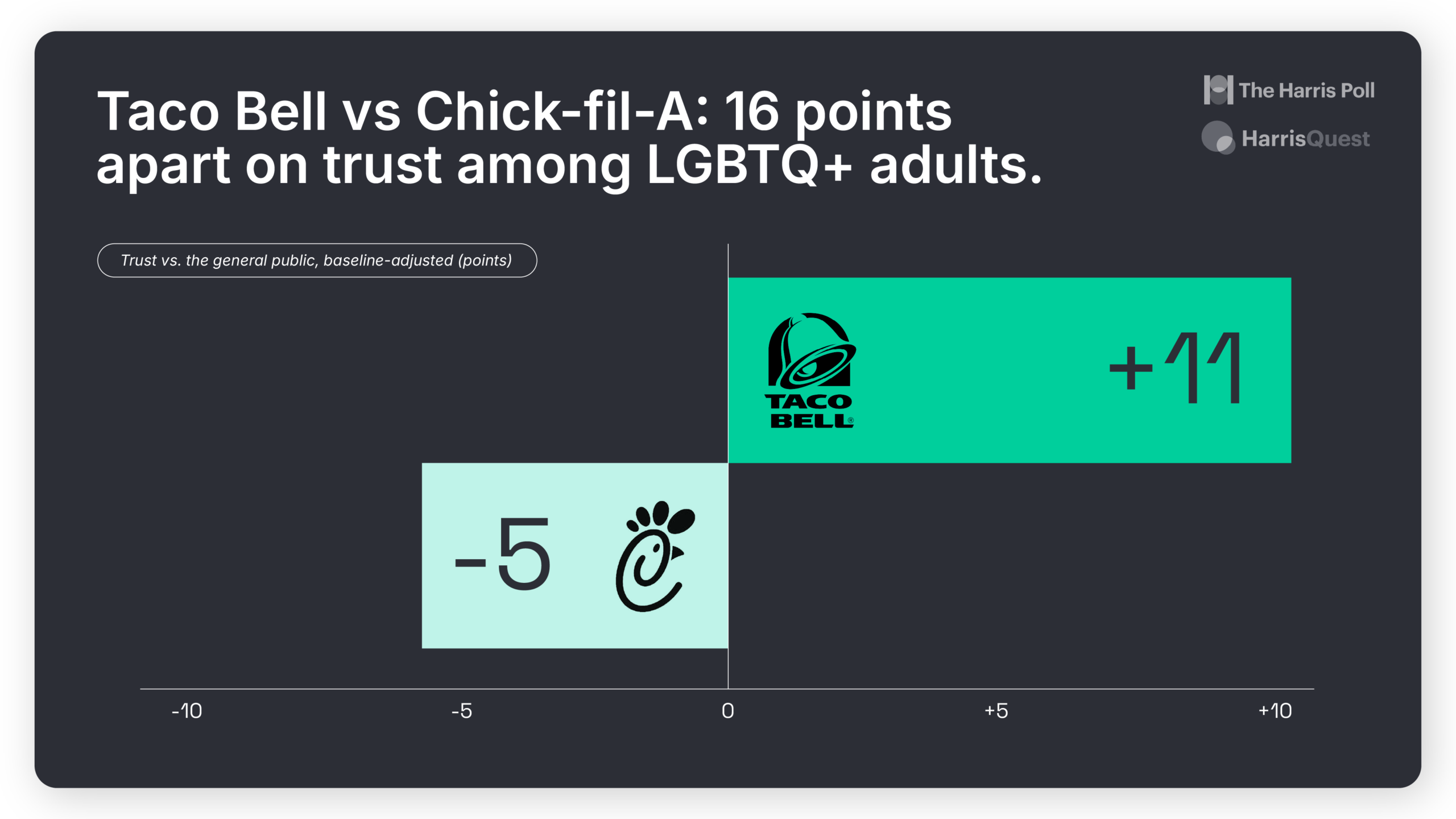
Ask LGBTQ+ adults for America’s coolest brands and you get the national list almost exactly – a 0.90 correlation with the general public. But trust rewrites the order. Taco Bell and Chick-fil-A sit sixteen points apart on trust – the distance between what each has come to stand for.
Takeaway: Cool is consensus, trust is the differentiator – and the only one of the two you can earn on purpose.