

 6 Min Read
Key takeaways
- Saying “AI” can cost you the sale. 78% of consumers say AI makes ads feel less authentic, and 63% are less likely to buy from brands that lean on it. Lead with substance, not the buzzword.
- Sport is infrastructure, not sponsorship. Fandom now runs from the stadium to the second screen to the checkout. The brands treating it as one continuous relationship will own the next cycle.
- In-person still earns the trust digital can’t buy. 71% of consumers say physical experiences deepen their connection to a brand. Showing up face to face is still where business moves.
- A clear point of view is the scarce asset. When anyone can generate a campaign in minutes, conviction is the differentiator. Brands that knew who they were left Cannes with more ways to say it.
Cannes Lions has become the place the marketing world goes to seek clarity. The 2026 edition drew record crowds, but the mix had shifted. Tech firms and C-suites filled the beaches. Creators arrived in force, over 500 of them, up sharply on last year.
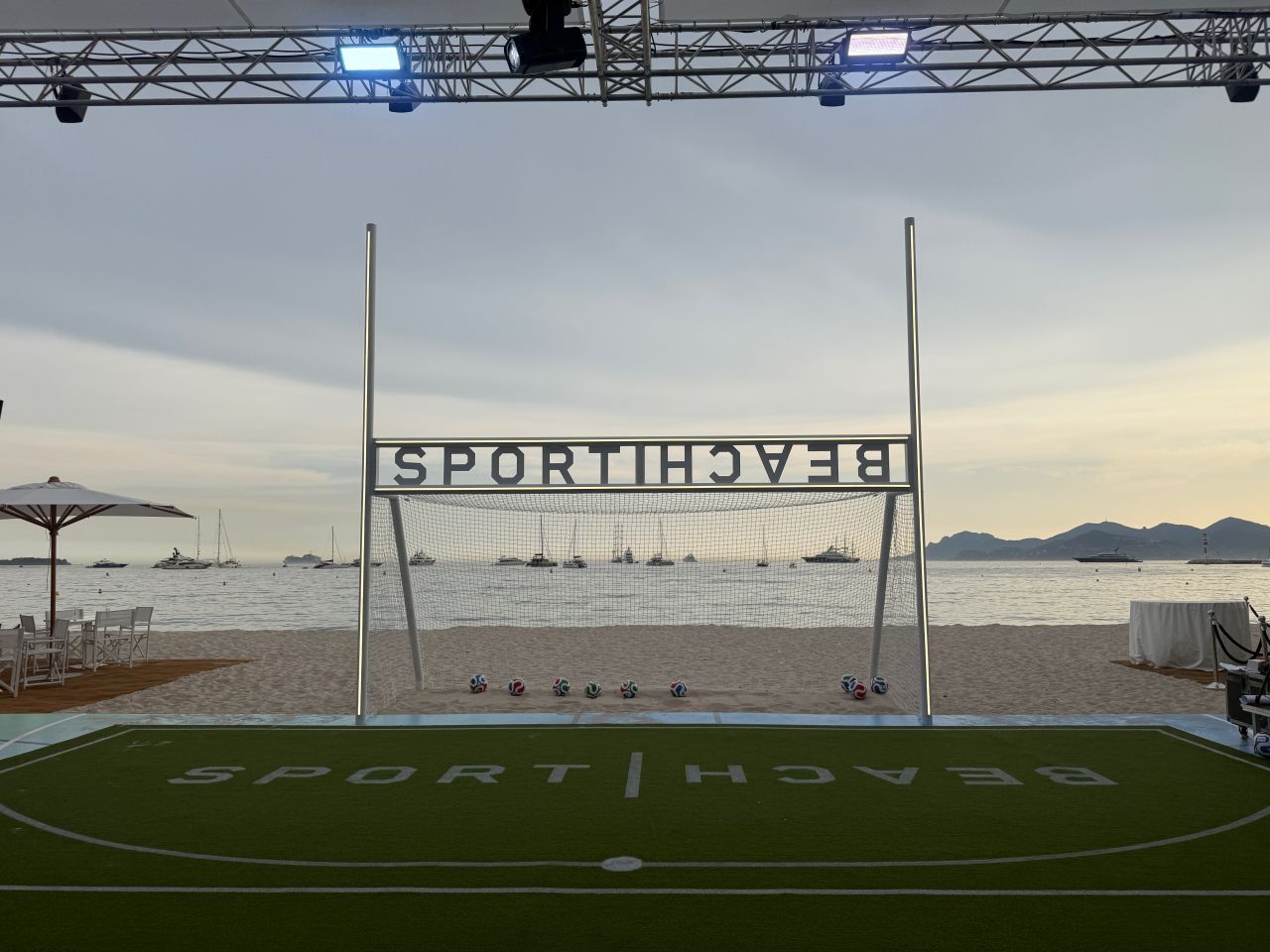
The Harris Poll was on the ground all week as part of Stagwell’s SPORT BEACH, in meetings, on panels, and on stage. Here’s what we heard, and what it means for your brand.
Consumers are tired of being told everything is AI
The loudest story at Cannes came from our own research. We released “I Never Asked for This” with the 4As and Infillion, and the numbers landed hard.
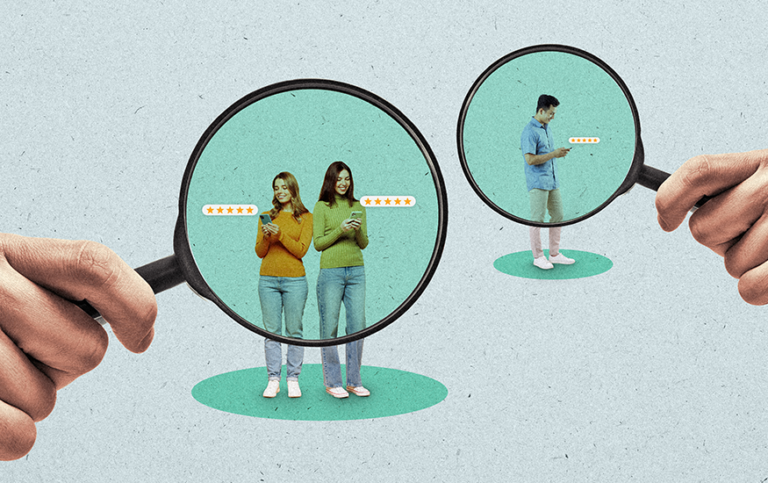
More than two-thirds of consumers see AI as a marketing ploy. 78% say it makes ads feel less authentic. The same share find brands cringey when they over-use it.
73% would be less likely to trust an ad they suspected was AI-made. 63% would be less likely to buy.
Jennifer Musil presented the work alongside 4As CEO Justin Thomas-Copeland. The message for brands is simple. Stamping “AI-powered” on your marketing signals nothing, and it may cost you.
The upside cuts the other way too. Consumers who feel skeptical of AI aren’t a lost cause. They’re a trust opportunity. The brands that earn their confidence, by being transparent about where AI ends and human judgment begins, stand to win a group everyone else is writing off.
The industry moved past AI hype to AI discipline
A year ago, AI was the future tense at Cannes. This year it was operational. Agency leaders talked about workflows, not predictions.
The harder conversation was about quality. “AI slop” circled every panel. Cannes Lions CEO Simon Cook warned from the main stage about mediocrity at scale. Entries dropped 25% after tougher rules tied every submission to a named CEO and CMO.
There’s a gap worth naming here. Marketers have adopted AI fast. Redesigning how they work around it has lagged well behind. Most teams are using the tool more often without changing how the work gets done.
That gap matches what we see in our data. When anyone can generate a campaign in minutes, original thinking becomes the scarce asset. AI can amplify a clear point of view. It cannot manufacture one.
Sport became the cultural center of gravity
With the World Cup underway, sport ran through everything. SPORT BEACH drew some of the heaviest foot traffic on the Croisette, with A-Rod, Russell Wilson, Shaquille O’Neal, Lindsey Vonn, and the NBA Championship trophy all on site.
The appetite is real and measurable. Almost half of Americans (45%) say their interest in soccer is rising. 70% of soccer fans are excited about a World Cup on home soil.
The conversation has outgrown sponsorship. Fans don’t follow brands, they follow people. The fan journey now runs well past the final whistle, into streaming, second screens, commerce, and creator partnerships.
Creators earned a seat at the strategy table
Creators dominated the attention at Cannes this year, not just the AI panels. Every major platform is now competing for them directly, offering support to help creators build businesses inside the channels they already own, rather than pulling them onto a network schedule.
The shift that matters for brands is the role creators are being given, not just their volume. The winners are building the plan around the creator relationship from the start, treating them as partners rather than vendors.
In-person became the new proof point
The Croisette made the case for tactility all week. Scent bars, diner builds, photo booths, and drone shows were everywhere. It wasn’t nostalgia.
This tracks with our Return of Touch research. 81% of Gen Z wish they could disconnect more easily. 71% of consumers say in-store experiences deepen their emotional connection to a brand.
Physical presence still earns trust that digital alone struggles to buy.
A clear point of view is the scarce asset
Pull these threads together and one theme sits underneath all of them. The brands that stood out at Cannes were the clearest about who they are, regardless of how loudly they talked about their technology.
That showed up as a renewed focus on brand building over one-off stunts, on creator partnerships built for the long term, and on physical moments that said something a banner ad couldn’t. Conviction, more than any single tactic, was what separated the work people remembered from the work that just filled a slot.
About the research
This piece draws on two Harris Poll studies. “I Never Asked for This” was conducted in partnership with the 4As and Infillion, and explores how consumers respond to AI in advertising. Our Return of Touch research examines how in-person and physical experiences shape consumer trust and brand connection. For full methodology, contact our research team.
Talk to our team about what your brand’s data is telling you.