

 3 Min Read
The latest trends in society and culture from The Harris Poll
Good morning from NYC.
One interesting number: 39. Within a decade or so, weed in American culture has gone from backstreet to bougie. Today, four in ten (39%) of Americans over 21 say they’d be more impressed if a dinner party guest brought over canabais than cabernet.
1. Most Now Say The American Dream Isn’t To Own a Home
-
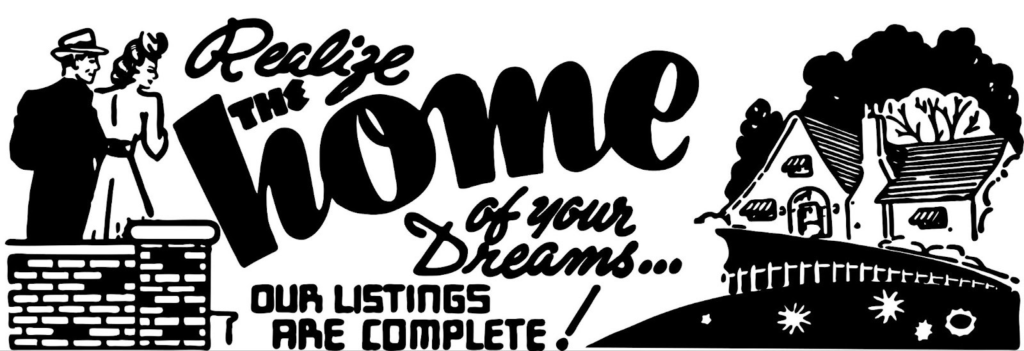
From high income thresholds to high interest rates, most Americans – especially younger ones– believe homeownership is simply out of reach, according to our latest Harris Poll with USA TODAY Co., Inc.
- What we found: Two-thirds (68%) say homeownership feels less like a goal and more like a privilege–(73%) of Millennials agree.
- The stat you can’t ignore: Half (51%) believe the American Dream of owning a home is dead–(57%) of Gen Z agree.
- What to consider: The dream is also a nightmare for half of all Gen Z homeowners (50%), who feel their homes are money pits. A third (33%) regrets buying a home in the first place.
What this means: “The market isn’t collapsing. It’s in a standoff,” says our CSO Libby Rodney. “Among Americans earning over $200,000 a year, nearly half say you need a $300k income to afford a home. Not to afford a nice home. Just a home. This is the American Dream, frozen.” Check out the full results here.
2. Two in Three Workers Say Employer Health Benefits Would Influence GLP-1 Use

-
As GLP-1s surge in popularity, new Harris research with Wondr Health suggests employer-sponsored health benefits may play a significant role in determining who ultimately uses these treatments.
- What we found: Two-thirds (65%) would be more likely to use a GLP-1 medication for weight loss if their employer covered at least part of the cost.
- The stat you can’t ignore: Employer coverage is expanding with over a third (36%) covering them for both diabetes and weight loss (v. diabetes alone: 55%).
- What to consider: Yet, the health benefits are competing with financial pressures, with predictionsof premium increases ranging from 5.3% to 13.8%.
What this means: “Weight-loss medications like Wegovy and Zepbound are often discussed in terms of drug costs, but our new data suggests employees view them as part of a broader approach to improving their health,” says the CEO Scott Paddock of Wondr Health.
3. America is building a soccer economy before it builds a soccer culture

-
Cities and companies are banking on the World Cup to be a giant conversion funnel, even though soccer (ahem, football) has not yet reached ‘big-sport’ status here in the U.S., according to our Quartz-Harris Poll.
- What we found: Two-thirds (65%) of Americans say they are soccer fans, even though it still doesn’t feel like an “American” sport.
- The stat you can’t ignore: The Club World Cup and the men’s World Cup are projected to generate over $26 billion in U.S. GDP and 290k+ jobs.
- What to consider: The 2026 World Cup hopes its month-long spectacle will evolve into a long-term business, with a third (32%) of soccer fans saying a competition like this first sparked their interest.
What this means: “By the end of summer, the U.S. will crown a World Cup champion,” writes Quartz Shannon Carroll. “A month later, football will still run the calendar, baseball will still drift across the background, and men’s soccer will still be staring at the same question: Can it make itself feel inevitable here, or does it still need a giant event and a very expensive sales pitch to hold the room?”