


 3 Min Read
Research from The Harris Poll on behalf of KinderCare finds that working parents in the US spend more than a third of every month in complete burnout. And the cause is often the daily scramble to find childcare they can count on.
Burnout has a source, and it’s structural
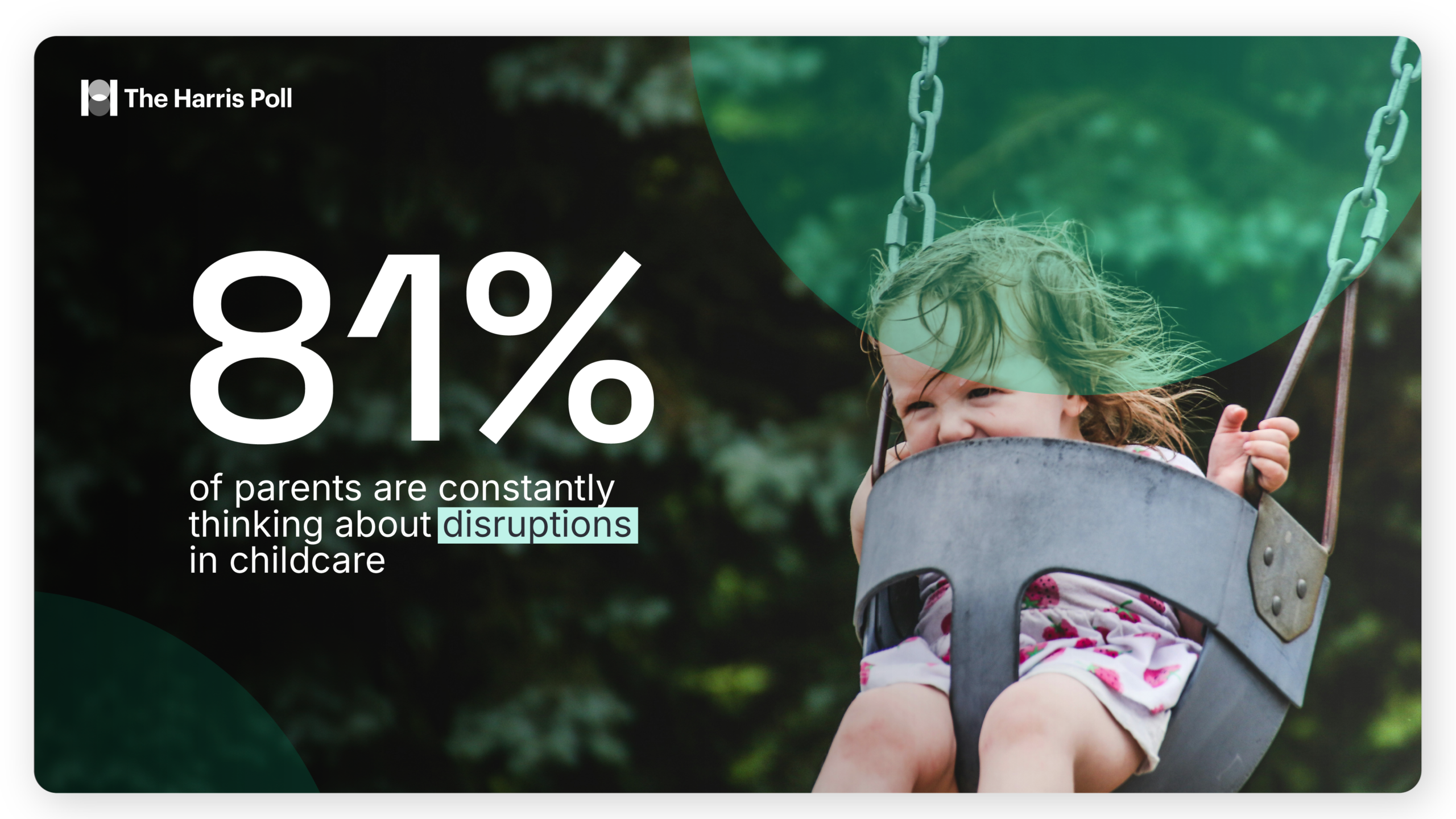
The gap in care drives much of this strain with 81% of parents say they’re constantly thinking about childcare gaps. 60% say parenting pressures are harming their mental health. And 76% feel extremely frustrated by how little childcare support exists in the US.
Parents of under-fives feel it hardest. Younger children need hands-on care, and reliable options are scarcest where the need is highest.
The cost doesn’t stay at home
Childcare gaps follow parents to work. Research from Moms First found 90% of parents report a workforce disruption tied to childcare. Those disruptions cost US businesses up to $70 billion a year in lost productivity, turnover, and absenteeism.
When one parent misses a shift, the whole team absorbs it.
Quality care is the lever
However, the same research points to what works with 88% of parents say quality childcare makes them more confident as parents. Consistent care supports mental health and keeps parents in the workforce.
Parents have stopped treating this as a private problem. 86% say high-quality childcare is a basic need, not a luxury – and they’re looking to employers to help.
What this means for employers
Childcare support is moving from perk to retention strategy.
This is because when a parent misses a shift, the cost spreads. As KinderCare’s Dan Figurski puts it, the impact reaches the whole team – and the organization’s productivity with it. That’s why he treats childcare benefits as core to retention and engagement.
KinderCare already works with more than 700 employers on near-site care, workplace centers, and tuition benefits. The employers who act treat childcare as infrastructure that keeps their workforce showing up.
The question parents are asking has changed. Not whether their workplace understands their lives, but what it’s prepared to do about them.
About the research
This survey was conducted online within the United States by The Harris Poll on behalf of KinderCare from November 5–13, 2025, among 2,509 parents with children age 12 and younger. The sample included 1,056 parents with children age 5 and under, and 1,453 with children age 6–12. The data represents a national sample and was analyzed by age, race/ethnicity, gender, income, region, and employment status. This online survey is not based on a probability sample, so no estimate of theoretical sampling error can be calculated.