

 4 Min Read
The latest trends in society and culture from The Harris Poll
Good morning from Philadelphia, where I’m down at Wharton today, looking forward to teaching a class.
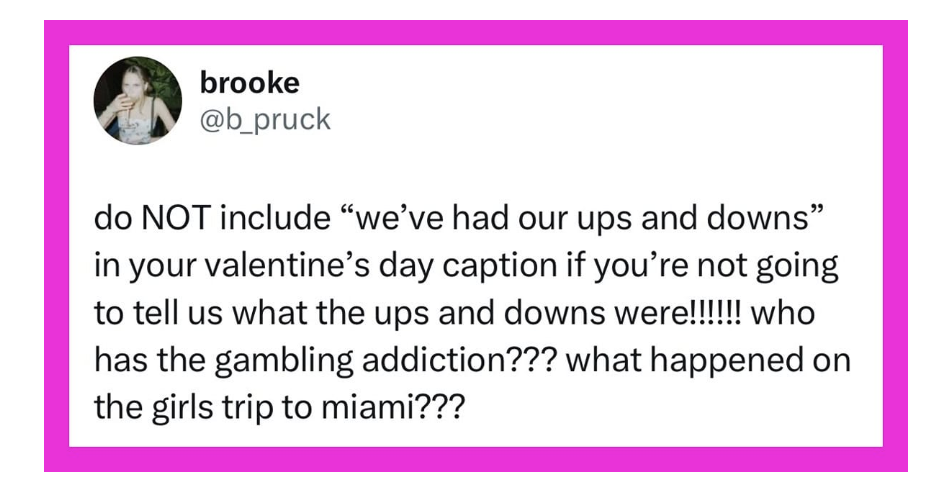
One Interesting Number: 81. Posting a new beau on your social media shows you’re getting serious with Gen Z, believing the act indicates commitment (81%). But be wary of sharing too much to your followers with your Valentine’s Day posts:
When and Why Consumers Stop Buying
In 2025, Gen Z women protested the erosion of their rights, citing declining interest in supporting the economy. We asked them what would happen if nearly half of them stopped shopping. This year, we got their answer:
- What we found: Over half of all Gen Z (52%) are actively finding ways to opt out of the economy. They’re not thinking about it, they’re doing it.
- The stat you can’t ignore: Gen Z men have joined the women in being uninterested in supporting the economy today. A 21%-point jump from ‘25, standing and aligned with Gen Z women in a way we haven’t seen before.
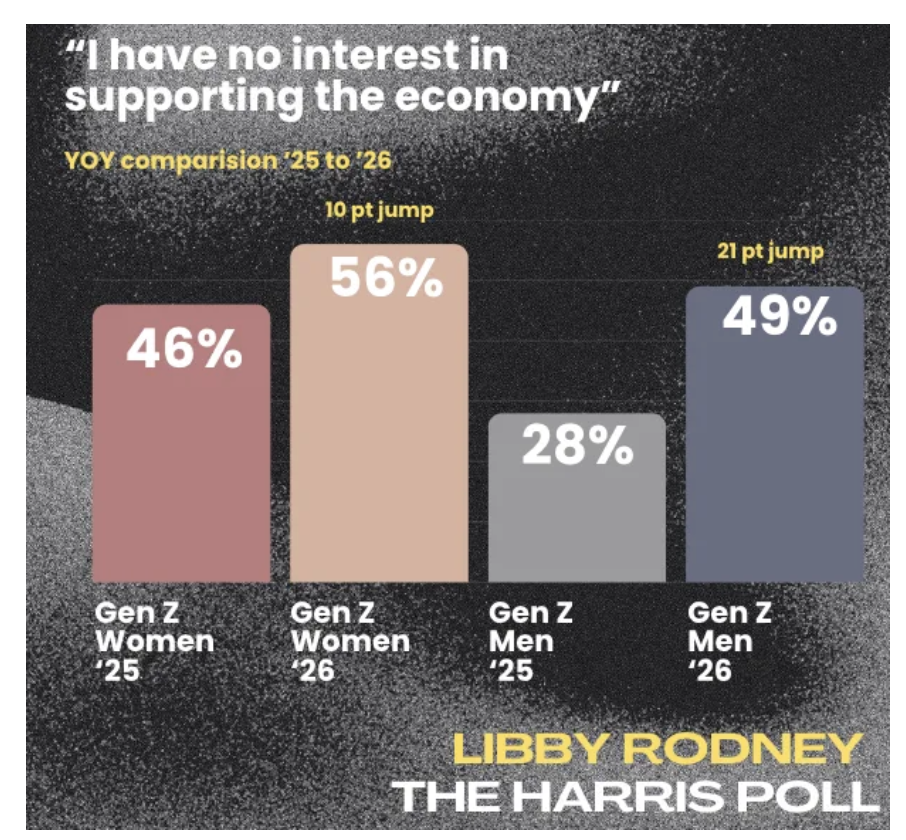
- What to consider: Opt-out reasons include curbing spending, a desire to break away from consumption culture, and supporting political beliefs. Meanwhile, where they shop is just as important as whether they shop at all. Six in ten (61%) Gen Z say they have shifted their spending entirely in the last few months to align with their morals.
What this means: “What started as a women-led movement is going mainstream,” says our CSO Libby Rodney. “The opt-out economy isn’t one battlefield anymore. It’s every transaction, every subscription, every autopay. And the proof that it works is accumulating. Every time a company flinches, the movement learns: this works. Every course correction becomes a case study shared across group chats, TikTok, and Reddit threads. The feedback loop is locked in.”
Drop That Credit Score On Your Dating Profile
Last week, we found that money lies can kill romance. Now, financial stability might help your dating game in our new poll covered by CNBC.
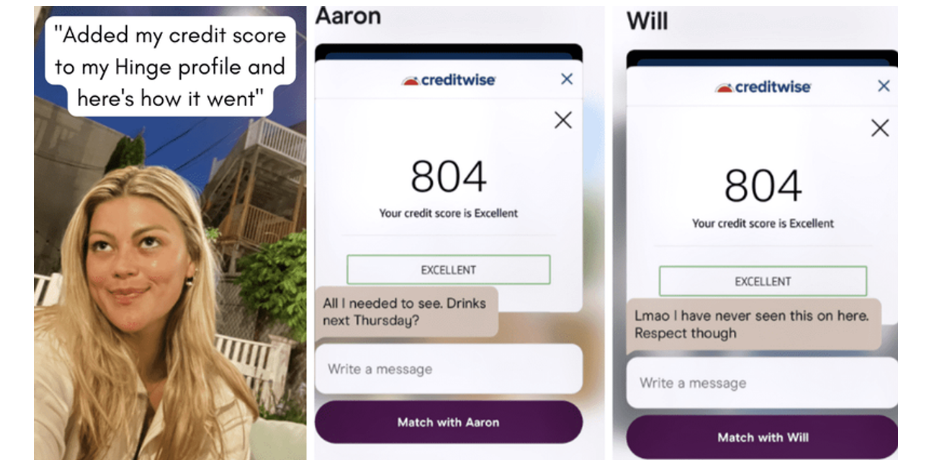
- What we found: Three-quarters (74%) say financial stability is one of the most attractive traits when dating.
- The stat you can’t ignore: Meanwhile, 60% report that compatibility, specifically practical alignment around money, matters more than chemistry in today’s economy.
- What to consider: In November 2025, coffee prices were up almost 19% from the previous year, and the cost of beef was up around 15%. Housing costs also rose more than 14% between September 2023 and September 2025. Emphasizing money habits can make the difference between financial security and constant stress.
What this means: “Historically, dating was emotion first — sparks, excitement, romance,” says Tim Osiecki, director of thought leadership and trends at the Harris Poll. “What we’re seeing now is almost the reverse,” he says. “People are leading with stability and letting the sparks come second.”
Every Generation Is Eyeing A Different Savings Goal This Year
While tariffs, inflation, and jobs have stressed many Americans, each generation is battling today’s economy in its own terms, based on its life stage, in our latest work with the American Institute of CPAs.

- What we found: Gen Z is focused on major life milestones – saving for a car/home (41%, 36%). Millennials’ thoughts are split between lifestyle and stability – saving for a vacation (36%) v. paying down debt (35%). While Gen X is making a final push to build a strong retirement (46%), Boomers are working to pay down debt (33%).
- The stat you can’t ignore: Yet, when asked what prevents their 2026 financial goals, each generation agrees – the rising cost of living is the biggest barrier (Gen Z: 40%, MLS: 44%, Gen X: 53%, Boomers: 59%).
- What to consider: There is still a long way to go in the year to make or break these financial goals. Half or less of Americans feel 2026 will be better for their finances than 2025 (Gen Z: 50%, MLS: 52%, Gen X: 42%, Boomers: 29%).
What this means: The findings “highlight just how differently each generation is experiencing today’s economy,” says Pamela Ladd, CPA/PFS, AICPA’s Senior Manager of Personal Financial Planning.