


 4 Min Read
The Joy Rematch: What Do Sports Fans Want?
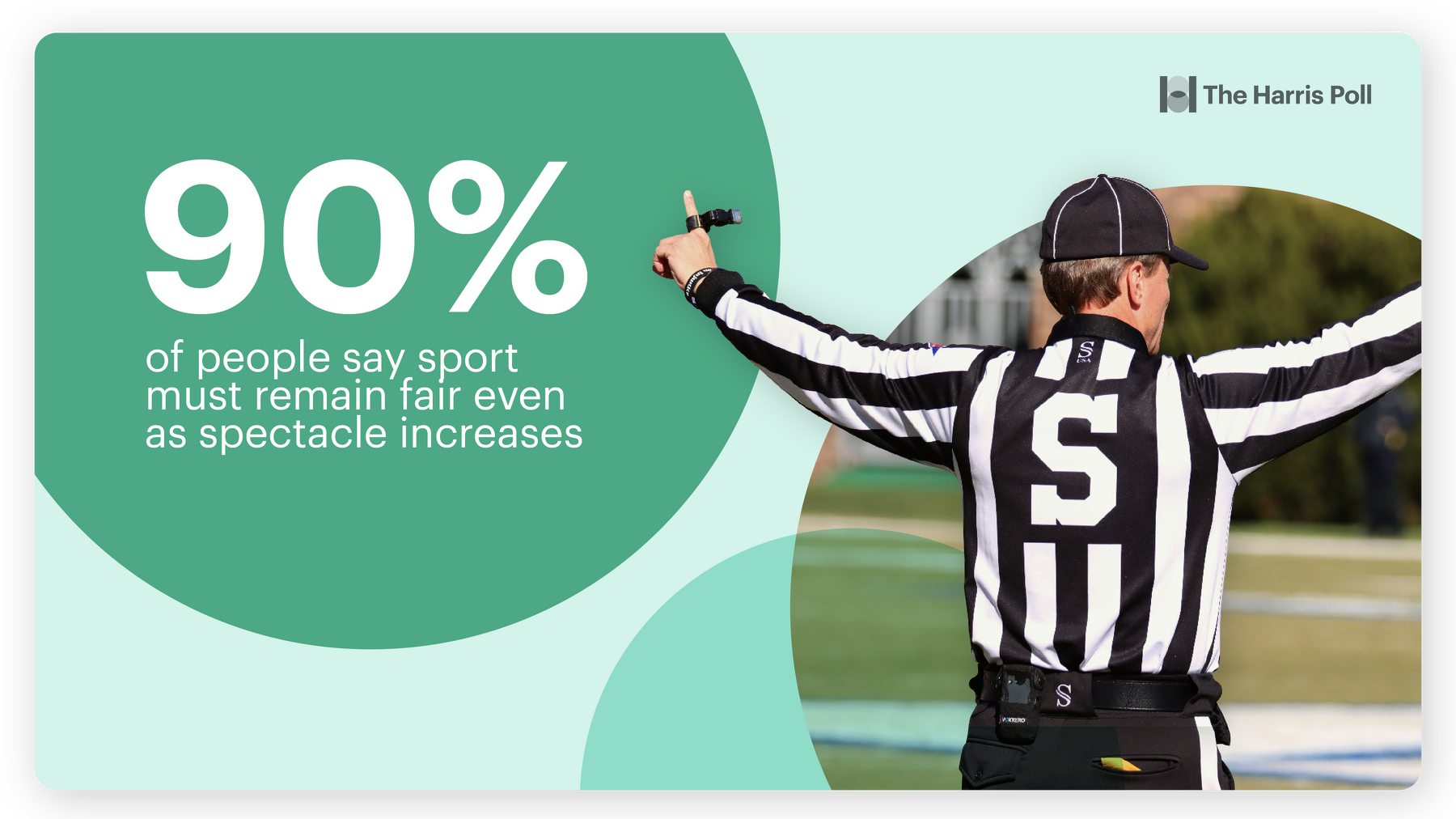
A recent Harris Poll report, The Joy Rematch, finds a significant ‘joy gap’ between the experience sports fans have and the experience they want. This gap is even wider among key growth demographics, including Gen Z, non-fans, and parents of Gen Alpha. What do sports fans want? A viewing experience that is shorter, shared, and lets them in.
- Shorter: Willingness to watch sports for 2+ hours drops from 43% on weekends to 26% on weeknights.
- Shared: Fans (57%) prefer to watch ‘big moments’ together with friends or family.
- Lets them in: Fan participation (light polls, micro-choices) would make 43% of fans more likely to stay engaged longer.
Takeaway: Both new and established sports leagues have an opportunity to repackage the viewer experience to better align with fans’ entertainment preferences and grow their fanbase. Want even more? Read about our research in MediaPost and Sports Business Journal.
2026 Page-Harris Poll Confidence In Business Index
Public expectations of business are rising, and so is scrutiny of how companies show up on the issues that matter. To help leaders understand this shifting landscape, Page Society partnered with The Harris Poll on the 2026 Page–Harris Poll Confidence in Business Index, a global study conducted across 14 markets.
The report shows a widening gap between public expectation and confidence in businesses’ ability to make a positive impact. Key takeaways:
- Lagging confidence is primarily driven by a lack of clear context or visible corporate action.
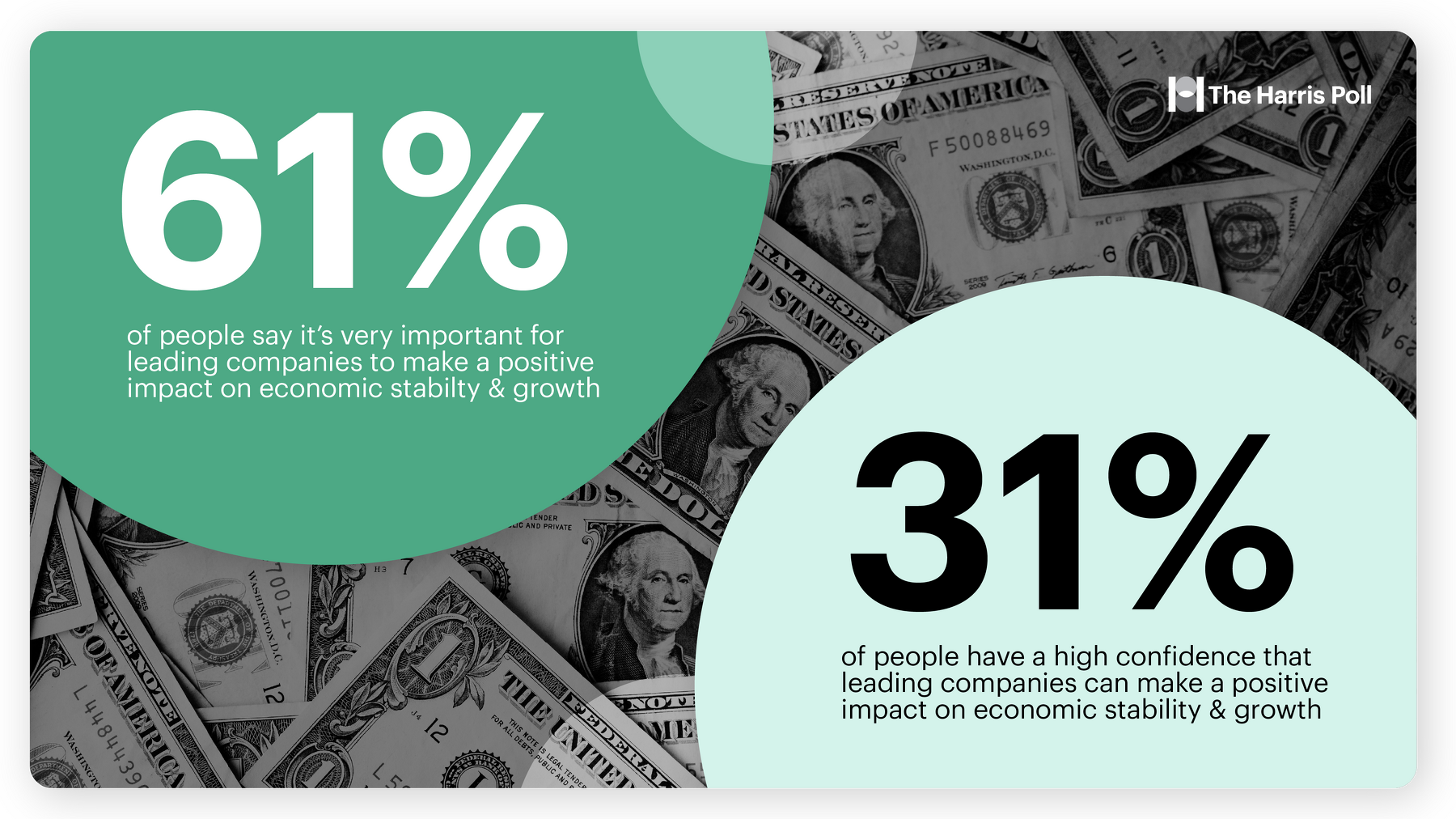
- Economic impact (61%) is the public’s number one expectation for businesses, but less than a third (31%) believe companies will deliver.
- Priorities differ depending on age – Gen Z priorities mental health, while older generations care more about corruption.
- How companies build credibility has shifted from news media to search and generative AI.
A Tale of Two Financial Realities: Men Are More Confident Heading Into 2026
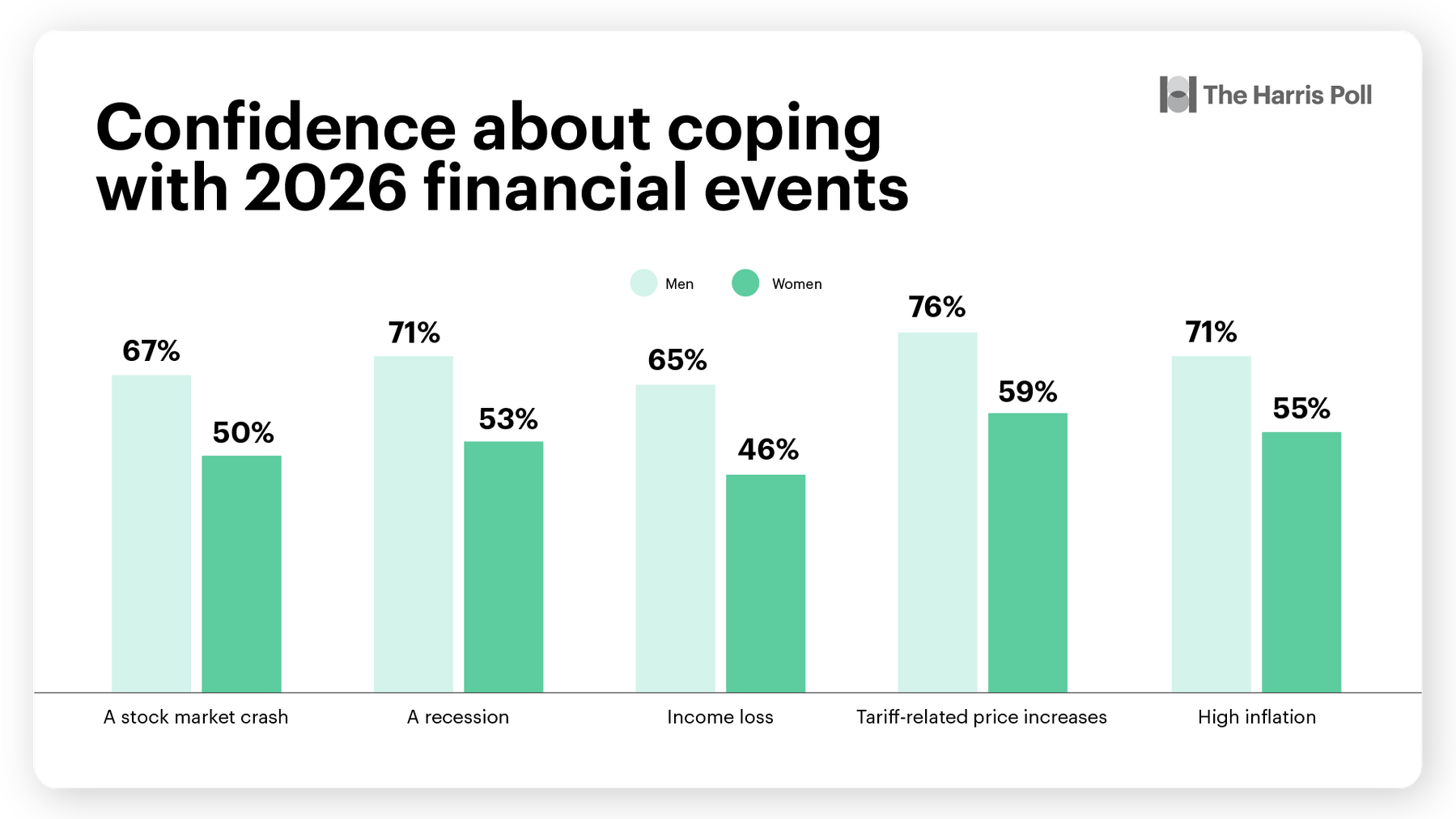
According to a new Harris Poll survey conducted on behalf of NerdWallet, men more often than women said that they could weather a financial hit in 2026.
- Two-thirds (65%) of men, but less than half (46%) of women, said they could financially cope if they experienced income loss this year.
- Seven-in-10 (71%) men, but only five-in-10 (53%) women, think they could withstand a recession.
- Similarly, men were consistently more confident than women about their ability to cope with a stock market crash, tariff-related price increases, and high inflation.
Takeaway: A multitude of factors, including financial literacy and wage gaps, have created this wide discrepancy in how each gender thinks they could handle financial hardship. Experts recommend that all Americans combat these concerns with strategic financial planning, including emergency funds, reducing debt, and investing in the future.
Gen X: Saving For Retirement Becomes An Urgent Priority
A Harris Poll study conducted on behalf of the Nationwide Retirement Institute finds that Gen Xers are not as prepared for retirement as they should be. In fact, 61% did not consider retirement an urgent priority until age 50+.
- Will it last?: 25% are concerned that their retirement savings will not last more than 14 years.
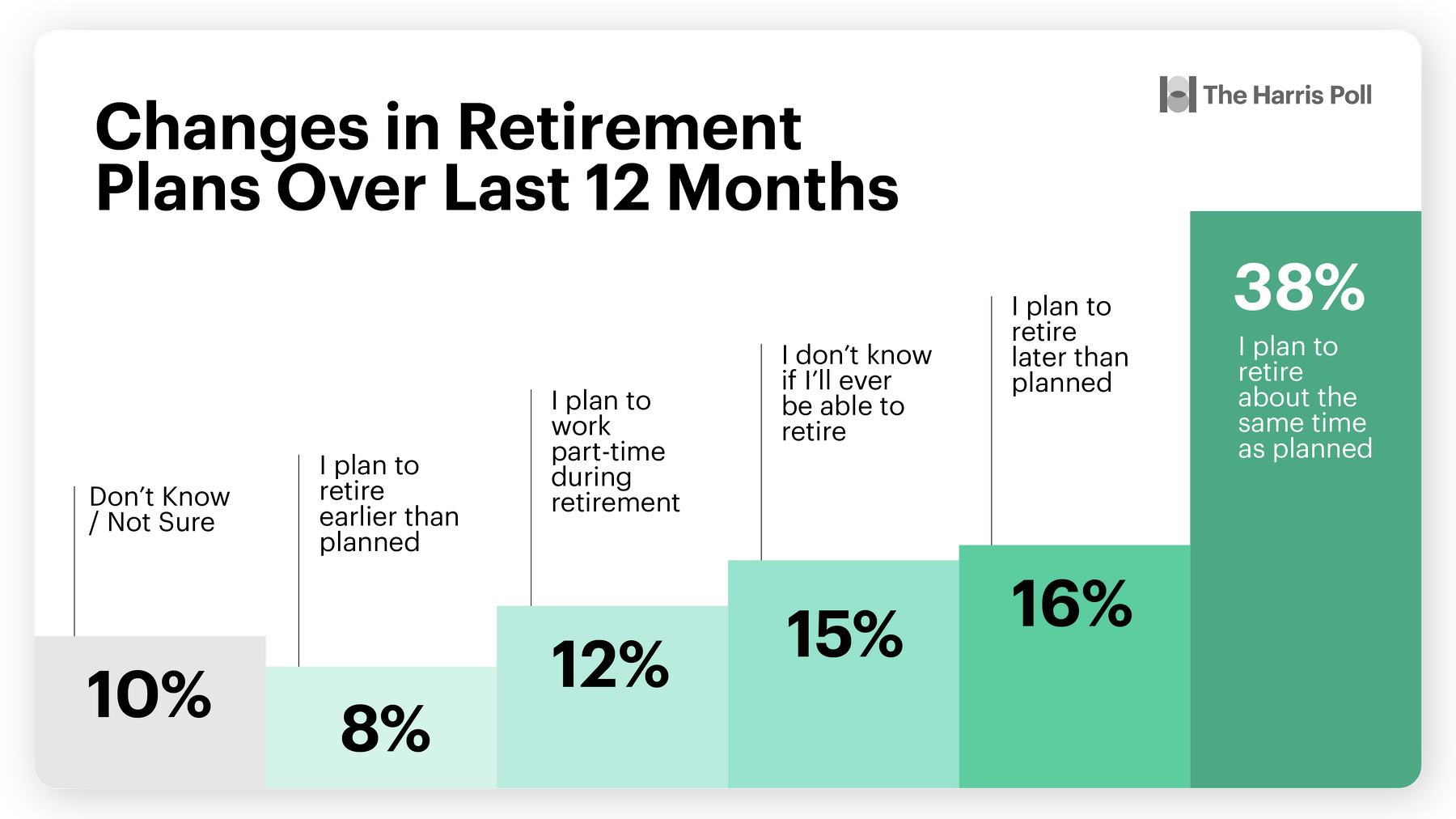
- Delayed retirement: 16% of Gen X investors say they plan to retire later than initially planned, while 15% don’t know if they will ever be able to retire.
- What’s causing these issues?: Advisors most often think that rising housing costs (39%) and insufficient retirement income (39%) are the biggest barriers to their Gen X clients’ retirement readiness.
efore saving for the future. This lack of long-term saving is now generating concern for many Americans who are nearing retirement age. Financial advisors are adjusting how they help Gen X prepare for retirement versus how they helped Baby Boomers before them.
Read more about this research in Investment News and Money Talks News.