

 4 Min Read
The latest trends in society and culture from The Harris Poll
Good afternoon from NYC.
One Interesting Number: 25. eBay searches for the iPods (Apple’s retired MP3 players) are up 25% from last year. The revival taps into the trend of “friction-maxxing”, where younger people embrace hands-on experiences over algorithmic ease, our CSO, Libby Rodney, told Axios.
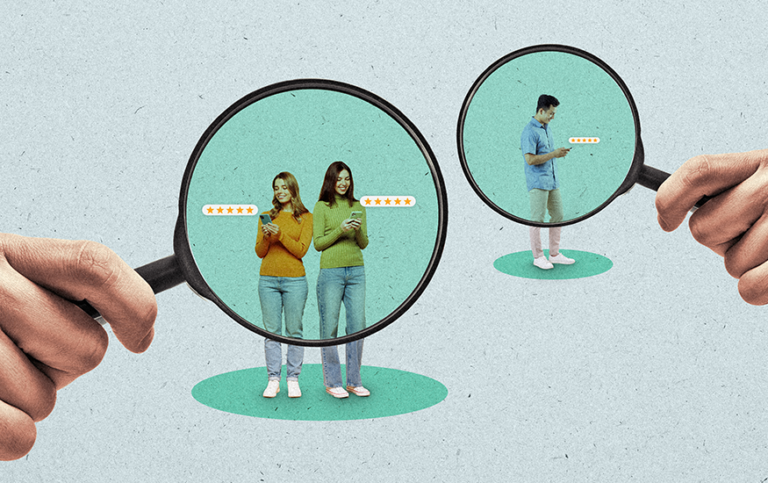
Young Americans Spurn Dating Apps
A new poll of young daters (by equally young staff researchers) shows frustration with dating apps has curdled into a collective shift in the ethos of dating itself, writes our Harris trend hunters Marie Aloi and Saskia Gregg.

- What we found: Three-quarters (72%) of Americans say dating apps have made romance feel more like a transaction, with singles saying dating is less of a love story and more of a marketplace (77%).
- The stat you can’t ignore: Bumble, an app that once had 12.5 million users spending an average of 100 minutes per day swiping for love, has lost 90% of its market value since 2021.
- What to consider: The old way of dating is out the window in favor of the whimsical. We found that over half (54%) of Gen Z/MLS would try manifesting a partner, and a quarter (25%) would hire an Etsy witch to find love. And young daters are going IRL to wrestling events, wine tastings, while deploying an agentic wingman to scour the bar for you.
What this means: “For some, the answer lies in the stars. Amidst economic uncertainty and AI’s rapid disruption to traditional infrastructures, people are turning to the cosmos for some answers, or perhaps simply for some relief,” writes Aloi and Gregg. “As singles increasingly grow tired of infinite swiping that leads nowhere, there’s a collective feeling that it’s time to turn to more mystical means.”
Hey, HR: Happy Parents Are More Productive Workers
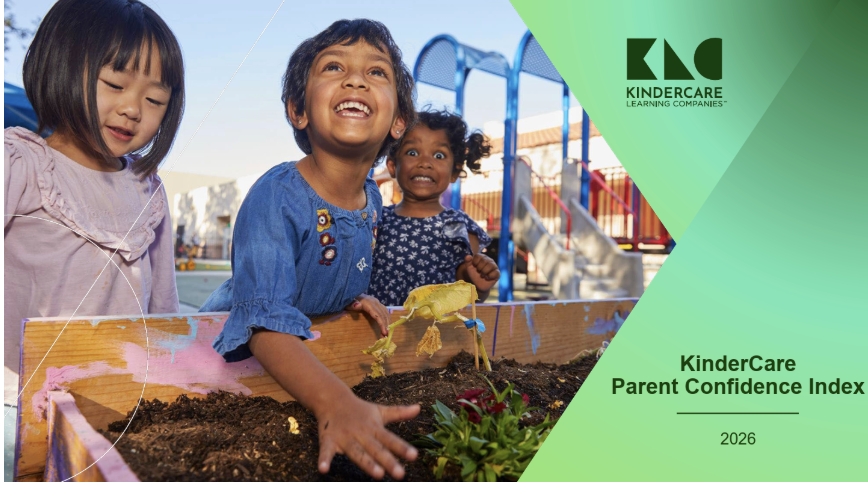
A new KinderCare-Harris Poll of 4,000 professional working parents with kids under 12 finds that child care isn’t just a perk, but a business imperative:
- What we found: Eight in ten (79%) say they would be more loyal to their company if their employer supported them better as a parent.
- The stat you can’t ignore: Child care benefits have overtaken retirement benefits (49% v. 43%) in importance to working parents staying at their current jobs.
- What to consider: Despite this, we found that only one in three employers offers child care benefits. Even though four in five (81%) wish their employer understood that reliable childcare is key to their productivity.
What this means: To working parents, child care isn’t a perk but an essential infrastructure. Most (85%) say it should be treated as essential, similarly to health and retirement benefits. “When companies make child care easier to access and understand, parents can stay focused on their careers – and businesses see the payoff in productivity, loyalty, and long-term performance,” said Dan Figurski, President of KinderCare for Employers and Champions.
Self-Taught Skills is The New Career Edge
From YouTube crash courses to TikTok tutorials, self-taught learning is reshaping resumes across the country – especially among young employees.

- What we found: While hiring managers still prefer formal education over self-taught learning (53% v. 18%), most acknowledge skills learned through informal online platforms are credible (71%).
- The stat you can’t ignore: Two-thirds of Gen Z (66%) report adding these self-taught online skills to their resumes (v. MLS: 50%, Gen X: 35%, Boomer+: 20%).
- What to consider: Yet, with candidates absorbing skills through algorithm-recommended playlists and short-form tutorials, many globally (55%) lack a good understanding of how their skills compare with those of their industry peers (ETS-Harris Poll Human Progress Report).
What this means: The desire to future-proof careers and the ease of access to platforms are turbocharging the self-teaching trend. This, amid growing unease about FOBO – Fear of Being Obsolete, among 60% of workers globally: ETS-Harris Poll Human Progress Report.