

 4 Min Read
Social Media’s Public Health Crisis, Women Leaders Drive AI, and Most Open-Office Spaces Are a Middle-Management Hellscape.
Hello from San Francisco.
One interesting number: $1.5M. Americans think the “magic number” for retiring comfortably is $1.46 million – up $200k from last year. Yet, almost half still believe it’s likely they’ll outlive their savings.
1. Gen Z: We Now Know The Harms of Social Media
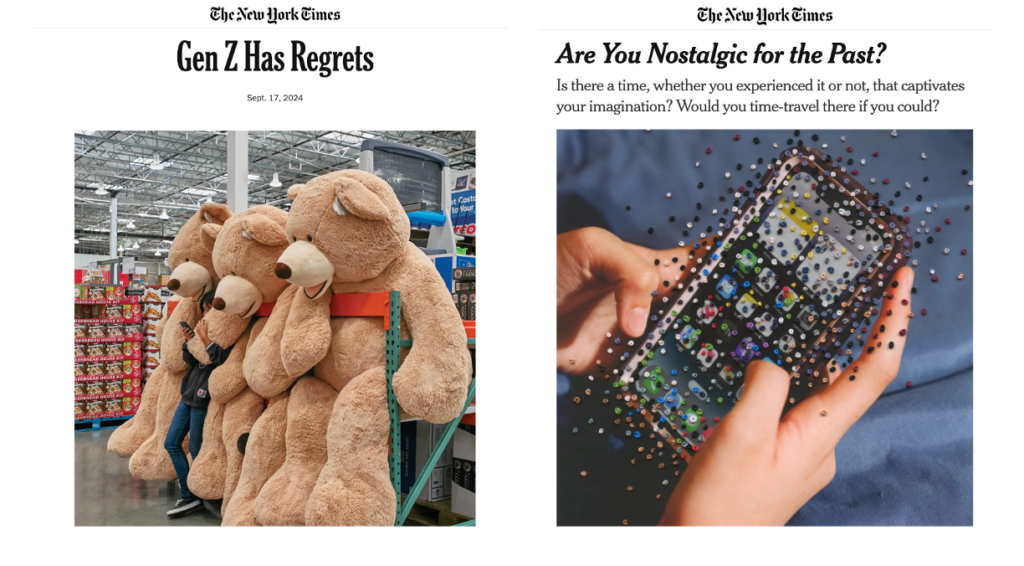
The Harris Poll CSO Libby Rodney details the social harms we were tracking before the recent Meta/YouTube verdict.
- What we found: The first signal was in 2023, when (80%) of Gen Z worried their generation was too dependent on technology, and (60%) wished they could return to a time before everyone was plugged in – a time they never lived through.
- The stat you can’t ignore: Then next year, nearly half of Gen Z told us they wished X and TikTok never existed.
- What to consider: Today, eight in ten (79%) of Gen Z say they miss the early days of TikTok, which went mainstream in 2020. That equates to six years of nostalgia while actively still using. The hollowing out happened that fast.
What this means: “Gen Z doesn’t regret connection,” writes Libby. “But nearly half say the platforms trap them in comparison loops and infinite feeds designed to make logging off feel like a loss. They don’t hate social. They hate what social became when engagement is the only metric that matters.”
2. Women Leaders Are Shaping AI Strategy
Research shows that women lag in AI adoption. Yet, at leadership levels, women are highly involved in guiding AI strategy, our latest Chief -Harris Poll survey reveals.
- What we found: Women are overwhelmingly driving AI strategy, with four in five (80%) playing active roles in how it’s being implemented.
- The stat you can’t ignore: Most women leaders say their organizations don’t fully understand “what AI can and can’t do” (62%).
- What to consider: Yet, two-thirds (68%) have to combat organizational priorities of “speed over sustainable workforce implementation.” Even when most (87%) have already witnessed company fallout of an “AI only” approach, leaving employees underutilized.
What this means: Alison Moore CEO of Chief, said that doesn’t mean women are “slowing down” when it comes to AI’s implementation. They’re simply “making sure the humans keeping pace with it don’t get left behind in the process.”
3. Why Are There So Many Bad Workspaces?
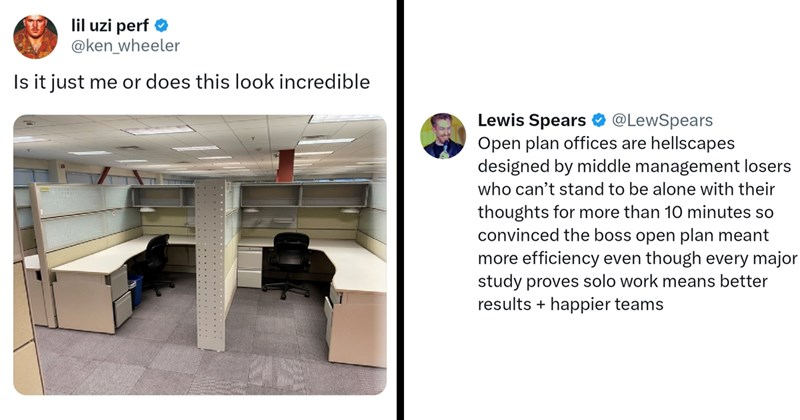
Poorly designed workspaces aren’t just inefficient; they actively hurt workplace comfort, focus, and connection, according to our survey with National Business Furniture Furniture. Some are so bad that a few are willing to trade for a middle seat.
- What we found: Three in four (73%) in-person employees are frustrated with their current workspaces today.
- The stat you can’t ignore: Specifically, a quarter would rather do their taxes or be stuck in a middle seat for a six-hour flight (24% and 25%). Another (28%) would voluntarily stay on hold with customer service for an hour.
- What to consider: Poorly designed spaces are more than aesthetic annoyances. Over half struggle to concentrate on work (57%) and feel frustrated that meeting spaces don’t meet their needs (52%).
What this means: “Employees are telling us loud and clear: the quality of their office matters,” said Yonca Heyse, President of NBF. “When people can’t focus, feel physically uncomfortable, or lack space that supports the way they work, it affects everything, from their productivity to whether they feel valued.”