

 4 Min Read
The latest trends in society and culture from The Harris Poll
Hello from NYC, where we’re back from SXSW.
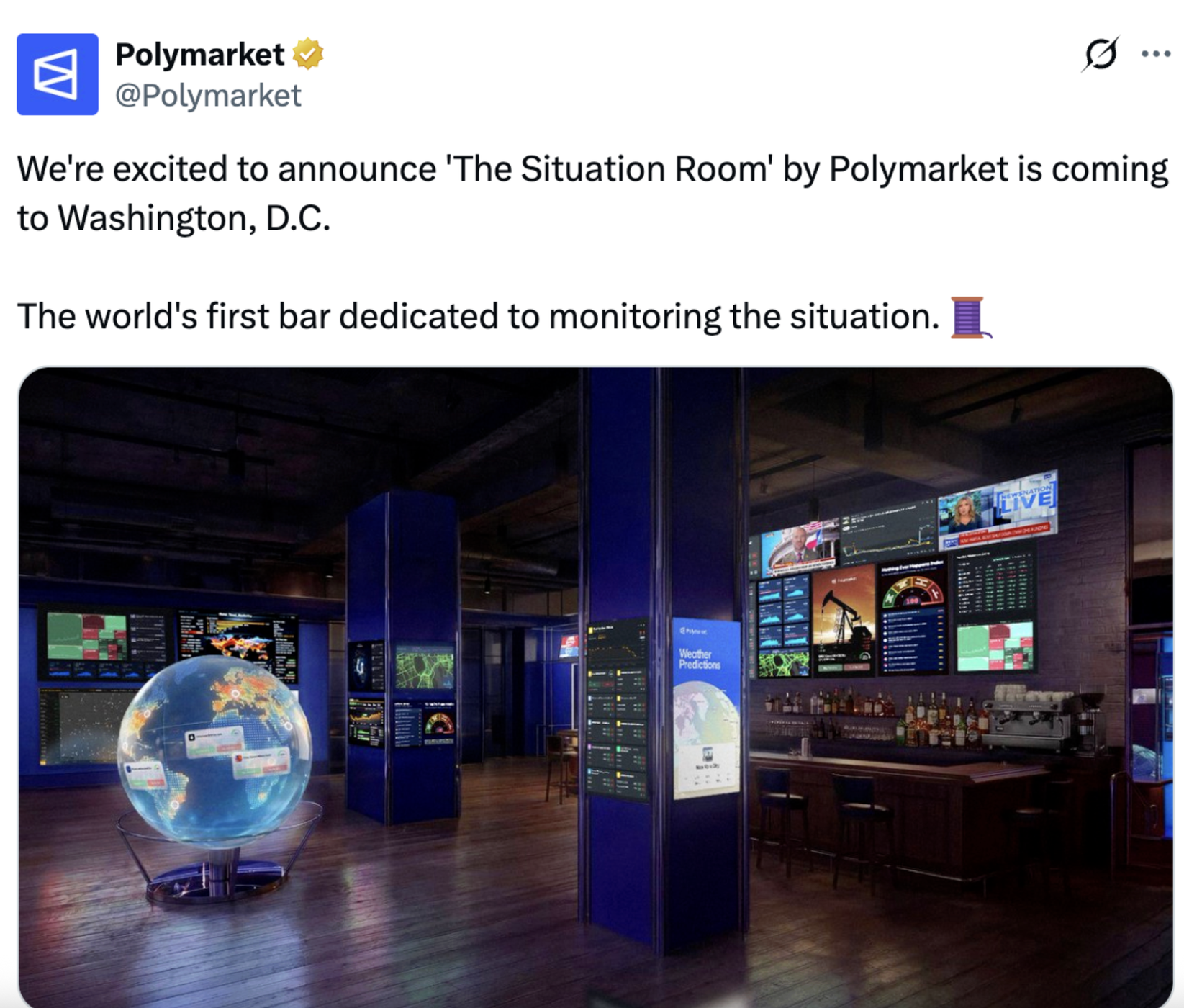
One inspiring pop-up: Polymarket is opening a Situation Room bar in D.C., complete with streaming feeds and a sports-bar vibe. We’ve talked to you about the lottery over logic trend and the IRL movement. This captures it all.
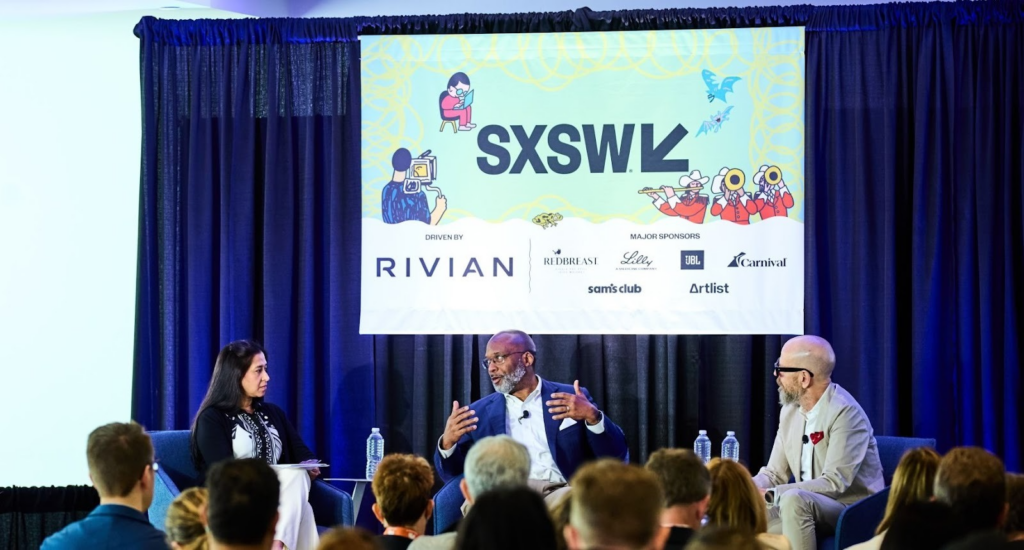
And one interesting number: 87. Whether on ŌURA, Garmin, Apple, or WHOOP, (87%) of Americans review their health data weekly. However, only one in five regularly shares their wearable/app data with their doctors. (From our SXSW panel with Verily on Tuesday).
Is Science Cool Again?
Are we moving from hysterical to empirical? Our new report with Bayer finds that while social media is the top source and culprit in our fragmented health and science landscape, Americans of both parties feel science is vital to our future:

- What we found: Most Americans (80%) blame social media for the spread of false or misleading health and science information, with seven in ten (71%) pointing to online content creators.
- The stat you can’t ignore: Three-quarters (75%) admit to sharing health/science articles based on the headline alone without reading the full article first.
- What to consider: Despite “headline-only” culture, these platforms are the public’s top source for such news, especially for younger adults – those aged 18-34 rely on social media (51%) as their primary source for health and science info, while about 1 in 5 are distrustful of scientists (20%) and medical doctors (16%).
What this means: “The spread of health and science misinformation is eroding Americans’ trust, even in sources typically thought of as credible and particularly among younger generations,” says Kathy Steinberg in our healthcare practice at The Harris Poll.
Hurting Tariffs Draw Rare Bipartisan Agreement
In a new Guardian-Harris Poll, Americans feel the negative impacts of tariffs across party lines.

- What we found: Seven in ten (70%) Americans say the administration’s tariffs led them to pay higher prices – including six in ten Republicans (64% v. IND: 67%, DEM: 77%).
- The stat you can’t ignore: The signature. Three in five across parties said that tariffs have had a more negative than positive impact on consumers (GOP: 60%, IND: 75%, DEM: 81%).
- What to consider: Last week, the administration launched trade investigations into foreign countries, which could lead to additional tariffs.
What this means: “The Harris Poll survey presents Republicans with a major problem in the battle for the upcoming midterm elections,” writes The Guardian’s Lauren Aratani and Andrew Witherspoon. “The majority of all voters (72%) believe Trump’s tariffs have had a negative rather than a positive impact, and 67% said tariffs aren’t the right solution for improving the economy.”
Turning The Tassel: How Has Gen Z Fared?
From Covid to AI, our new report with Agency, Inc., examines how Gen Z is faring in their first decade out of high school.

- What we found: Only half (49%) report working full-time, and a fifth (18%). Another fifth (19%) are part-time workers.
- The stat you can’t ignore: Full-time/part-time young employees are more likely to work in shrinking sectors – like customer service/retail (25%) – than growing or higher paying ones – skilled trades (16%), engineering/science/tech (12%).
- What to consider: Less than one-half felt their high schools prepared them for postsecondary coursework, potentially contributing to uneven completion. Fewer than half of those who began a four-year or two-year degree program completed it (48% and 39%, respectively).
What this means: “Historically, the performance of public schools in America has been largely measured by graduation rates and standardized test scores,” said Debbie Veney, Founder and CEO of Agency, Inc. “Maybe it’s time to look at some other data points, too. While these are important measures, they do not tell the full story. They are backwards-looking metrics that say nothing about how well students fare after high school graduation.”