


 5 Min Read
Curious but Cautious: Navigating AI’s Trust Gap
Americans are intrigued by AI, but not fully convinced. Our latest QuestDIY study shows a mix of optimism and wariness: 48% say they use AI at least monthly, with top use cases spanning creativity (37%), entertainment (33%), and productivity (31%). Yet trust still lags, with 39% saying they trust AI “much less” than friends and family.
- Adoption is growing: 8% use AI several times a day, 15% daily, and 22% weekly.
- Workplace gains: 42% say AI helps them be more productive, especially for research (40%) and writing tasks (28%).
- Commerce use: Consumers rely on AI for price comparisons (39%) and product search (39%), but only 20% say they’ve made an impulse purchase based on AI recommendations.
- Trust gap: 40% distrust AI for personal advice, and only 14% say they would “definitely” use AI to help manage money.
Takeaway: Curiosity is driving engagement, but trust remains the growth ceiling. For brands, the opportunity lies in building transparency, showing safety, and reinforcing productivity gains.
Cheers To That: How Popular Are Alcoholic Drinks When Dining Out?
When you enjoy a meal out, what’s your go-to beverage order? Over a third (36%) of Americans would answer alcohol, surpassing soda (29%) and water (21%). A recent Harris Poll run in partnership with eMarketer dives into Americans’ preferred restaurant drink orders, revealing that ordering habits are often generation-specific.
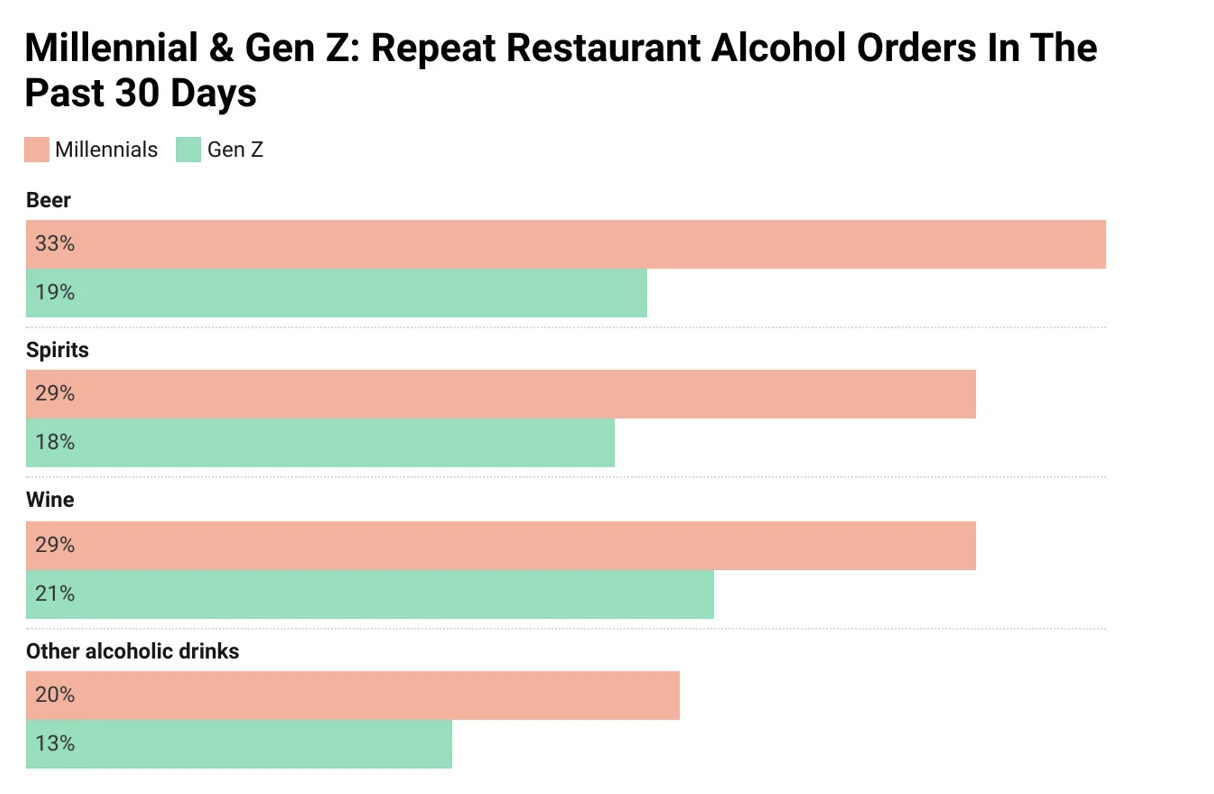
Takeaway: “We’re watching two different philosophies play out at the same table: Millennials treat alcohol as their ticket to transform ordinary meals into curated experiences, while Gen Z approaches drinking like a strategic choice. They’ll sip a craft cocktail or a soda with equal enthusiasm, depending on what fits their mood and wallet.” – Libby Rodney, Chief Strategy Officer at The Harris Poll
Social Security Turns 90: Transamerica-Harris Poll
Established in 1935, Social Security has offered millions of older Americans a guaranteed source of income for the past 90 years. With growing concerns that the program’s funds could be exhausted within the next decade, many are urging policymakers to pursue reforms that will ensure its stability for the next century. Recently, The Harris Poll worked with the Transamerica Institute to examine how Americans feel about Social Security and their financial preparedness for retirement:
- Americans depend on Social Security: 53% of retirees indicate Social Security will be their primary source of income throughout retirement.
- Will benefits be available long-term?: 71% of Americans who are not already retired are concerned that Social Security will not be available when they retire.
- Saving enough feels impossible: 70% of people who are not yet retired agree that they feel like they could work until retirement and still not have enough to meet their needs.
- Americans want policymakers to protect benefits: Only 5% of people say Congress should “do nothing” to address Social Security’s estimated funding shortfall.
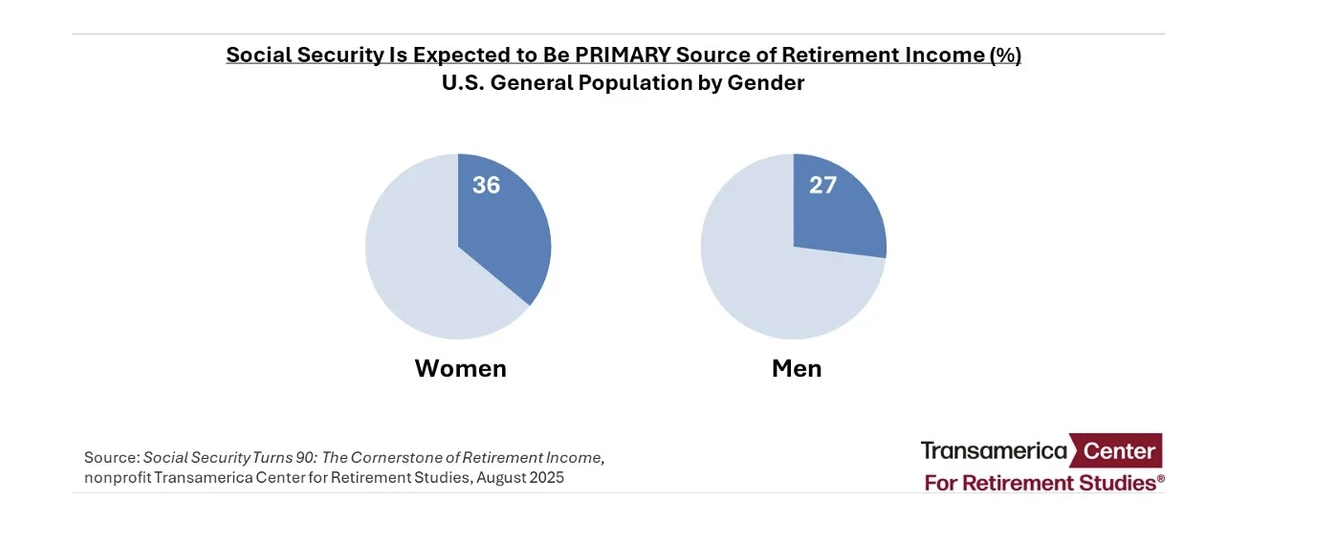
- Women are at higher risk than men: Women (36%) are more likely than men (27%) to expect Social Security will be their expected primary source of retirement income.
Takeaway: “Social Security has served as the cornerstone of retirement income since its establishment nine decades ago. It provides millions of older Americans with guaranteed income, so that they can retire with greater financial security. With the estimated depletion of the Social Security trust funds looming large, now is the time for policymakers to identify reforms that can help ensure the program’s sustainability for the next 90 years.” – Catherine Collinson, CEO and president of Transamerica Institute and TCRS
Brand Equity Breakouts: 6 Gen Z Favorites Dominating Right Now
Gen Z loyalty doesn’t come by chance, it’s earned through authenticity, cultural fluency, and digital-first strategies. According to the latest Ad Age–Harris Poll Gen Z Brand Tracker using QuestBrand, six brands are leading the way in building equity among young consumers.
- Poppi: Blends wellness with playful, viral campaigns and influencer partnerships, solidifying its place in Gen Z culture.
- Coinbase: Positions crypto as accessible and trustworthy, driving equity growth alongside rising market trends.
- STŌK Coffee: Gains attention through bold campaigns, product innovation, and digital-first buzz.
- Gymshark: Builds authentic community through inclusive campaigns, pop-ups, and long-term influencer ties.
- REVOLVE: Masters cultural moments through exclusive experiences, high-profile ambassadors, and global storytelling.
- SoFi: Simplifies finance for Gen Z with influencer-led campaigns and tools that make money management empowering.
Takeaway: The brands winning with Gen Z are not just selling products, they’re shaping culture. QuestBrand helps leaders measure momentum across familiarity, quality, consideration, and equity, ensuring their strategies stay ahead of the cultural curve.
Am I Leaving Money on the Table? Measuring Consumer Response to Price
In today’s volatile environment, shaped by tariffs, labor costs, and supply chain disruptions, pricing decisions can make or break profitability. Yet many companies still rely on guesswork: copying competitors, applying static markups, or taking distributor recommendations.
The latest Harris Poll research shows that understanding how consumers actually respond to price is a far more powerful strategy. Three key models stood out to us:
- Gabor Granger: Best for testing specific price points and gauging market potential in low-engagement categories.
- Van Westendorp: Captures customer expectations by asking consumers to define what feels “too cheap” versus “too expensive.”
- Conjoint Analysis: The gold standard for simulating real-world trade-offs, helping brands see which features drive purchase and how pricing shifts affect market share.
Takeaway: Pricing research is not one-size-fits-all. When applied correctly, these models provide clarity into what customers value most and how much they’re truly willing to pay, preventing brands from leaving money on the table.