

 4 Min Read
Americans are heading into the second half of 2025 with mixed emotions: economic uncertainty, a growing appetite for escape, and rising expectations for the brands they choose. In a recent panel, I unpacked four cultural and behavioral shifts that are reshaping consumer sentiment and spending.
What do these trends mean for your brand? They’re not just travel observations. They’re leading indicators of mindset, mobility, and trust.
Want to explore the latest trends and leading indicators in your category? Request a demo to see how our research, software, and consulting solutions can transform your business.
Recession Fatigue Is Real, Even If the Data Disagrees
Nearly half of Americans (48%) believe the country is already in a recession, even if the economic indicators suggest otherwise. And when people feel like they’re in a recession, they behave like it.
This perception is driving caution around major life decisions. More than six in 10 Americans say the economy has affected at least one of their major 2025 goals, like buying a house, getting married, or taking a big trip. Some consumers are delaying milestones altogether.
Brands should treat this consumer sentiment as an early signal, not a lagging indicator.
Americans Still Want to Travel, They’re Just Traveling Smarter
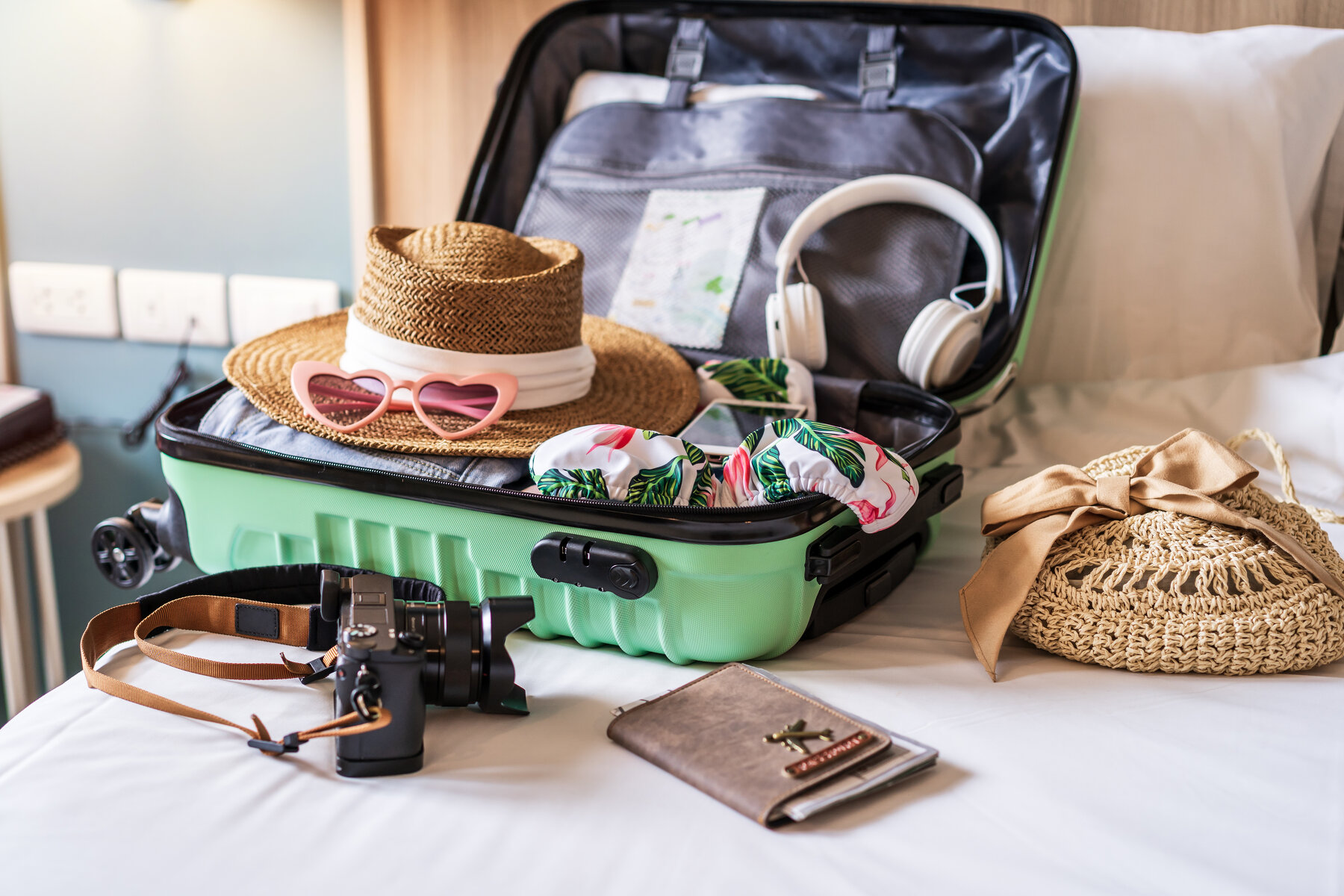
Even amid financial stress, Americans aren’t giving up on travel. In fact, 77% still plan to travel in 2025, with 70% staying domestic and nearly one-third (32%) planning to travel more than last year. But their travel behavior is changing.
A full 74% of Americans are considering less popular destinations to save on costs. One in four say they’re more interested in South America than Southern Europe this year. These “dupe destinations” are becoming an intentional lifestyle shift, not just a budget compromise.
Brands in hospitality, retail, and transportation should treat this as a signal to reframe value, not reduce experience.
Two Types of Travel: Concert-First vs. Quiet Escapes
Consumer intent is splitting. Gen Z and Millennials are fueling “event-driven” travel, taking trips centered on live concerts and sporting events. At the same time, these same generations are showing signs of fatigue.
We’re also seeing a rise in “quiet vacationing,” where workers, especially Millennials, are taking PTO without notifying their employers. They’re logging off, not announcing it, and prioritizing mental health over office optics.
This duality reflects a deeper truth: consumers want experiences that feel either big and bold or calm and covert. There’s very little in-between.
Retail Therapy Is Back, and So Is Analog Delight
Three-quarters of Gen Z and Millennials report screen fatigue. In response, 60% say they would stand in line for a hyped retailer. More than two-thirds say shopping is a key reason for travel.
Even analog media is seeing a revival. More than six in 10 (62%) of Gen Z say they keep well-designed mailers or catalogs as decor or inspiration. And 72% say they’d be surprised and delighted to get something in the mail from a brand they love.
This suggests a major opportunity for brands to rethink direct marketing, packaging, and in-person retail as part of the emotional value chain.
What Do Consumers Want From Brands Right Now?
They want brands to understand the tension they’re navigating: uncertainty, desire, caution, and joy. They want experiences that match how they’re feeling, not just what they’re spending.
Above all, they want leadership. Brands that monitor cultural signals and respond with empathy, value, and strategic clarity will be the ones that lead.
Want to explore the latest trends and leading indicators in your category? Contact us to see how our research, software, and consulting solutions can transform your business.