


 4 Min Read
The latest trends in society and culture from The Harris Poll
Good morning from NYC.
One interesting number: 84. Great quote from Harris’ Jacklyn Cooney: “This is what we show up to do: bring the right questions to the right audiences and let the data speak”. This month, that meant a billboard in Times Square highlighting that 84% of American kids want to escape their phones and live more in the real world.

Adaptability to Unclear AI Jobs Frustrates Workers
While workers overwhelmingly recognize the need to evolve, many lack clear signals, shared standards, and access to the credentials required to stay relevant in our new 2026 ETS Human Progress Report.
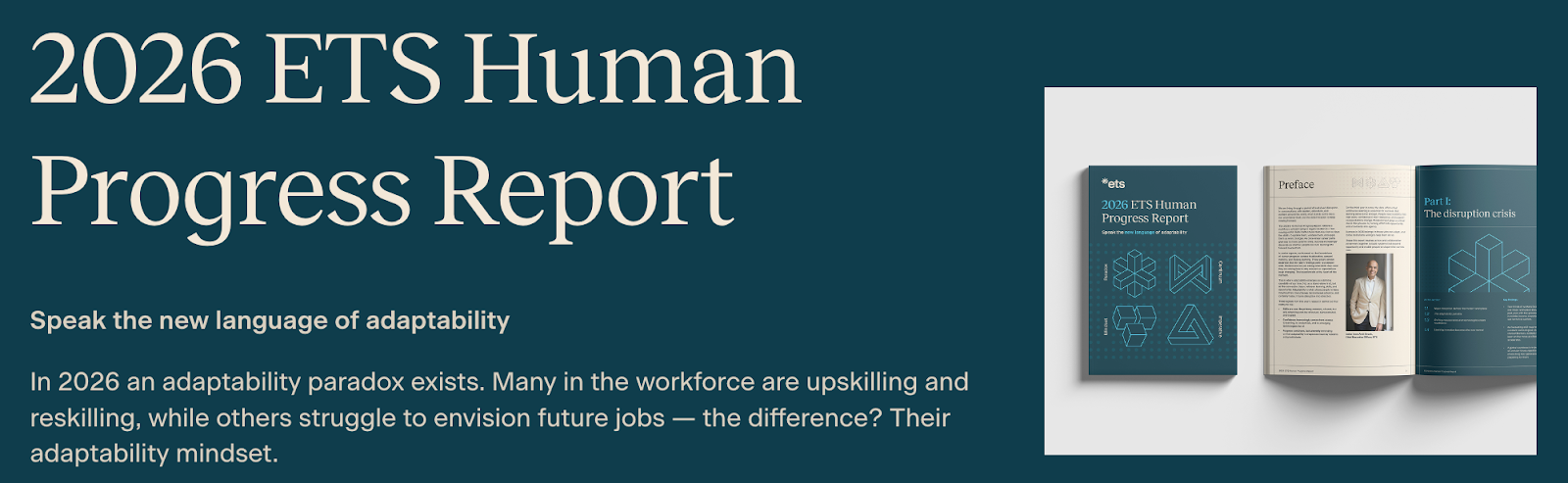
- What we found: Among 32k+ professionals across 18 countries, three-quarters (77%) say job security now requires continuous evolution. Yet, workers are demanding clarity around AI skills. (82%) report that industry-specific AI competency standards would help them understand which skills matter.
- The stat you can’t ignore: While workers are proactively building new skills, seven in ten (71%) say they cannot envision the future jobs those skills are preparing them for, underscoring a growing “adaptability paradox.”
- What to consider: AI is accelerating pressure and uncertainty. Three in five (60%) feel pressured to adopt AI tools before they feel ready, and three in four (73%) say it is difficult to know what level of AI literacy employers expect.
What this means: “In earlier reports, we focused on access to education, upward mobility, and lifelong learning. But this year’s findings point to a deeper shift. Workers are not just asking what skills they need, but how to stay relevant as expectations keep changing”, said Amit Sevak, CEO of ETS. “Four in five workers are building new skills, even though most can’t envision their future job. Adaptability is becoming the new ‘must have’ skill.”
A Shot at a Legacy: The Great Wealth Transfer
Over one hundred trillion will change hands in The Great Wealth Transfer by 2048. In a new Total Family-Harris Poll, asset-deprived younger Americans want security, then a chance to build a legacy from it.
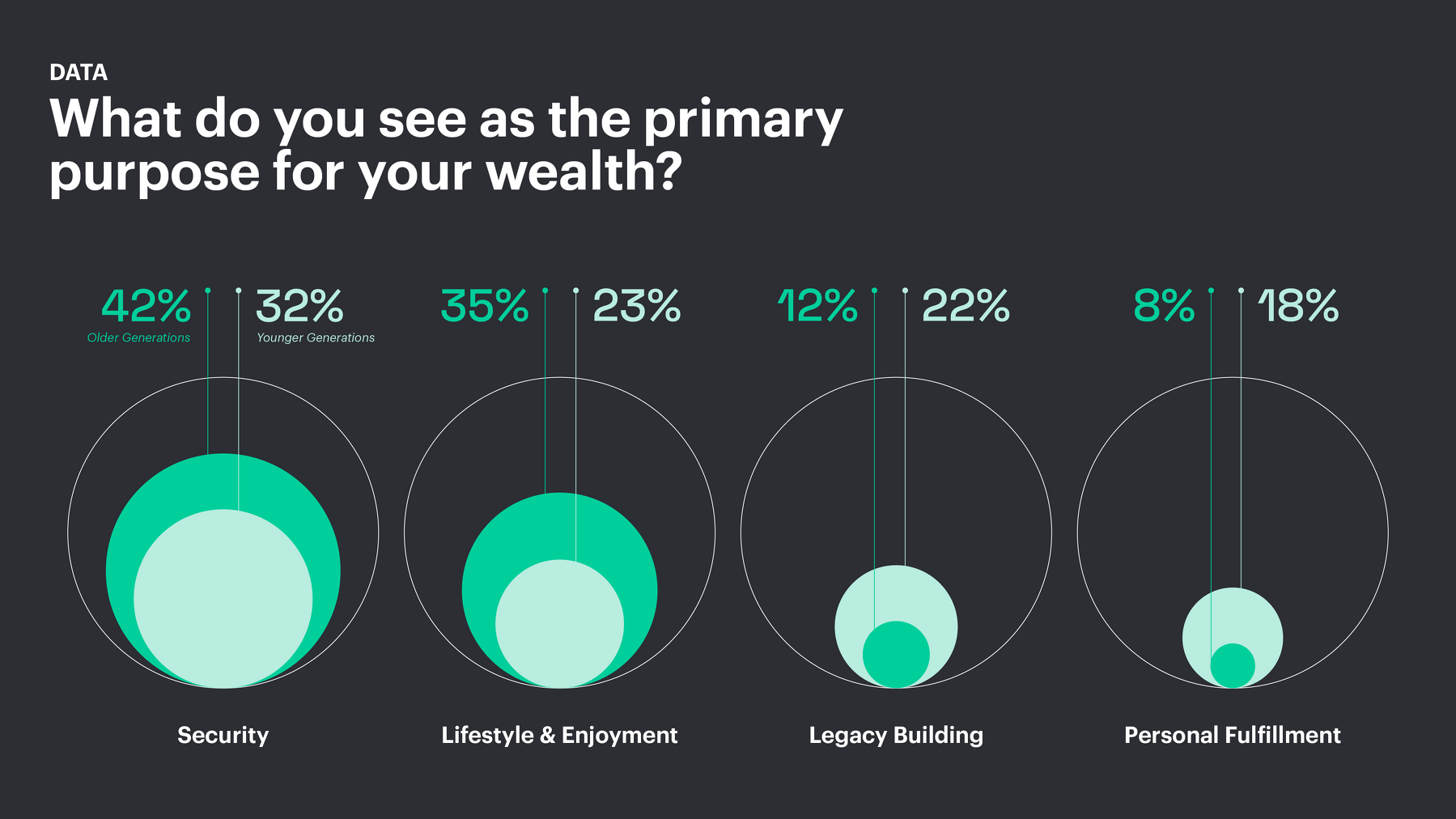
- What we found: Legacy building is a real priority for younger generations, more so than older individuals. Younger Americans see wealth as a way to build a legacy (22% v 12% among older Americans) and to achieve personal fulfillment (18% v 8% among older Americans).
- The stat you can’t ignore: In little more than two decades, approximately $124 trillion in personal U.S. assets will transfer from older Americans (ages 55-80+) to the younger generations (ages 18-54).
- What to consider: This is a huge moment for financial advisors looking to understand and keep their new clients. Currently, over two in five (43%) of younger Americans plan to switch their asset manager from their parents’ current provider after receiving an inheritance.
What this means: One can’t mindlessly follow the narrative that younger generations have the same investment priorities. Younger clients aren’t just looking for investment performance. They’re looking for advisors who understand their lives, their families, and what their wealth is meant to support.
Viewers Want Creators In Their Living Room
Creator culture is playing an increasingly important role in streaming habits, according to our latest report with Tubi.

- What we found: Two-thirds (67%) say digital creator content feels more original than most traditional TV and movies.
- The stat you can’t ignore: Last year, audiences viewed 52 billion minutes of long-form, episodic creator shows across platforms.
- What to consider: Viewers want their creators on both their algorithms and their living room screens. More than a third want existing creator content on streaming services (37%) and casting creators in original series (36%).
What this means: Living room families will be leveling up when creator content hits family room TVs as creators diversify beyond phone screens. Entertainment studios have already begun turning to viral social media stars for TV/movie deals, hoping to engage digital-first younger audiences.