


 5 Min Read
Chinese Automakers in the U.S. Market
As global automotive markets evolve, Chinese manufacturers are setting their sights on American consumers. But are U.S. buyers ready to embrace these emerging brands? Our latest research dives into consumer perceptions, market barriers, and the road ahead for Chinese automakers looking to establish a foothold in America.
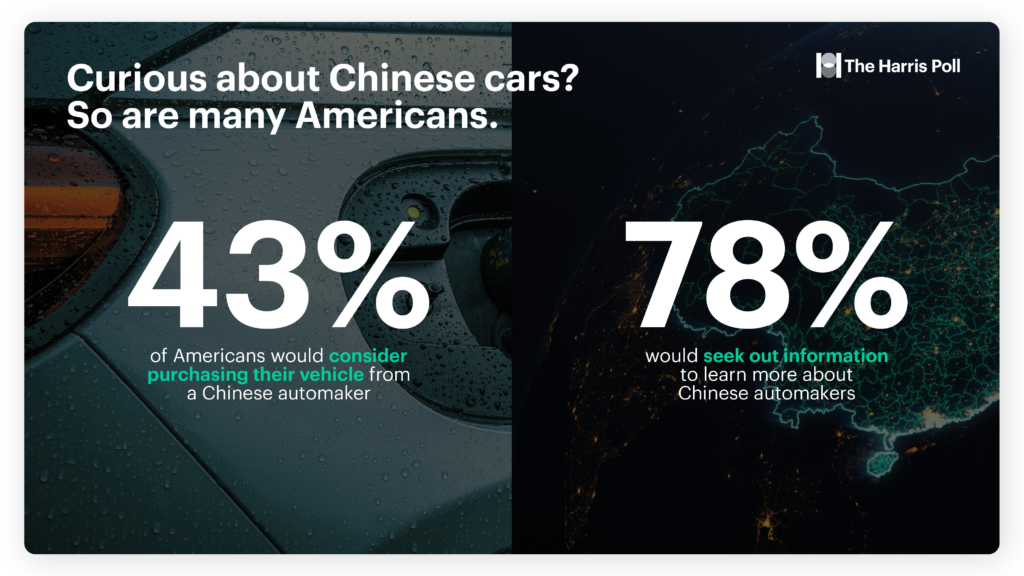
- Trust remains the biggest hurdle: American consumers express skepticism about quality and reliability from Chinese automotive brands.
- Price could be the game-changer: Cost-conscious buyers show interest if Chinese brands offer significant savings over established competitors.
- Brand awareness is minimal: Most U.S. consumers struggle to name major Chinese automotive manufacturers beyond surface-level recognition.
Takeaway: While Chinese automakers have made significant strides globally, breaking into the U.S. market will require substantial investment in brand building and addressing deep-seated quality perceptions. Success will likely depend on strategic partnerships, gradual market entry, and demonstrating long-term commitment to American consumers through localized manufacturing and service networks.
Explore our auto industry Insights
Global Sports Insights: An Interview with Jen Musil
Catch our exclusive Sport Beach video interview with Jen Musil, The Harris Poll’s Global President of Research. In this conversation, Jen shares her perspective on the evolving research landscape, emerging consumer trends, and what’s driving behavioral shifts in 2026.
Key insights include:
- How global events continue to reshape consumer priorities and expectations
- The integration of cultural relevance data in brand measurement and reputation tracking
- Emerging methodologies that are revolutionizing polling and market research
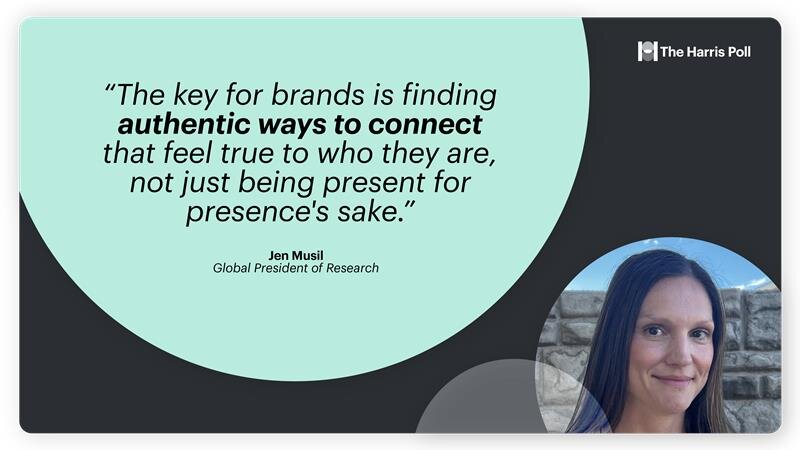
Takeaway: “We’re really in an age where fans are multi-platform, multi-channel, multi-sport viewers. There’s a lot of interesting new places where fandom is expanding and becoming more nuanced—from emerging leagues to global soccer momentum. The key for brands is finding authentic ways to connect that feel true to who they are, not just being present for presence’s sake.” – Jen Musil, Global President of Research, The Harris Poll
The Price of Play: Youth Sports Accessibility Crisis
Speaking of sports fandom expanding into new places, one area where access is unfortunately contracting is youth athletics. In partnership with Good Sports, we examined the growing financial barriers keeping kids out of organized sports. The findings reveal a concerning trend that could reshape youth athletics and long-term health outcomes for American families.
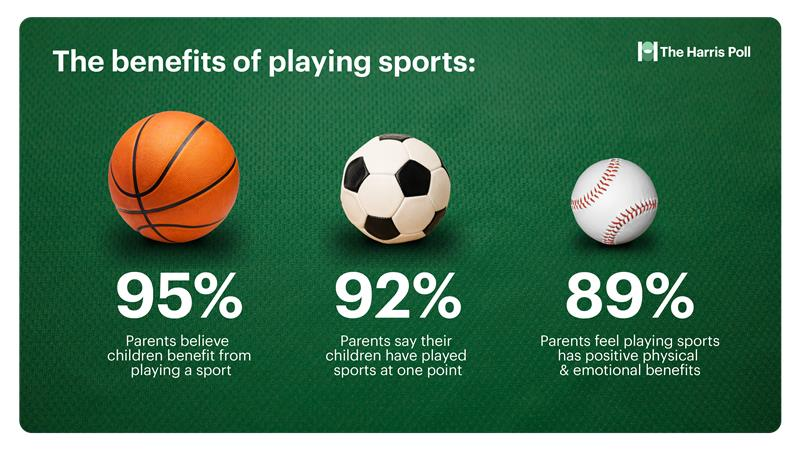
- Costs are climbing: Youth sports participation now averages $2,000+ per child annually, pushing many families to the sidelines.
- Income inequality affects access: Lower-income households are significantly more likely to cite cost as the primary barrier to sports participation.
- Future implications are serious: Reduced youth sports engagement could impact everything from childhood obesity rates to college scholarship opportunities.
Takeaway: The rising cost of youth sports is creating a two-tiered system where economic status determines athletic opportunity. As sports become increasingly expensive, we risk losing the physical, social, and developmental benefits that come from inclusive youth athletics.
Gen Z Dating: Authentic Connections in the Digital Age
Fast Company spotlighted our latest research with Tinder, revealing surprising insights about how Gen Z approaches romance and relationships. The findings challenge common assumptions about digital natives and their dating preferences.
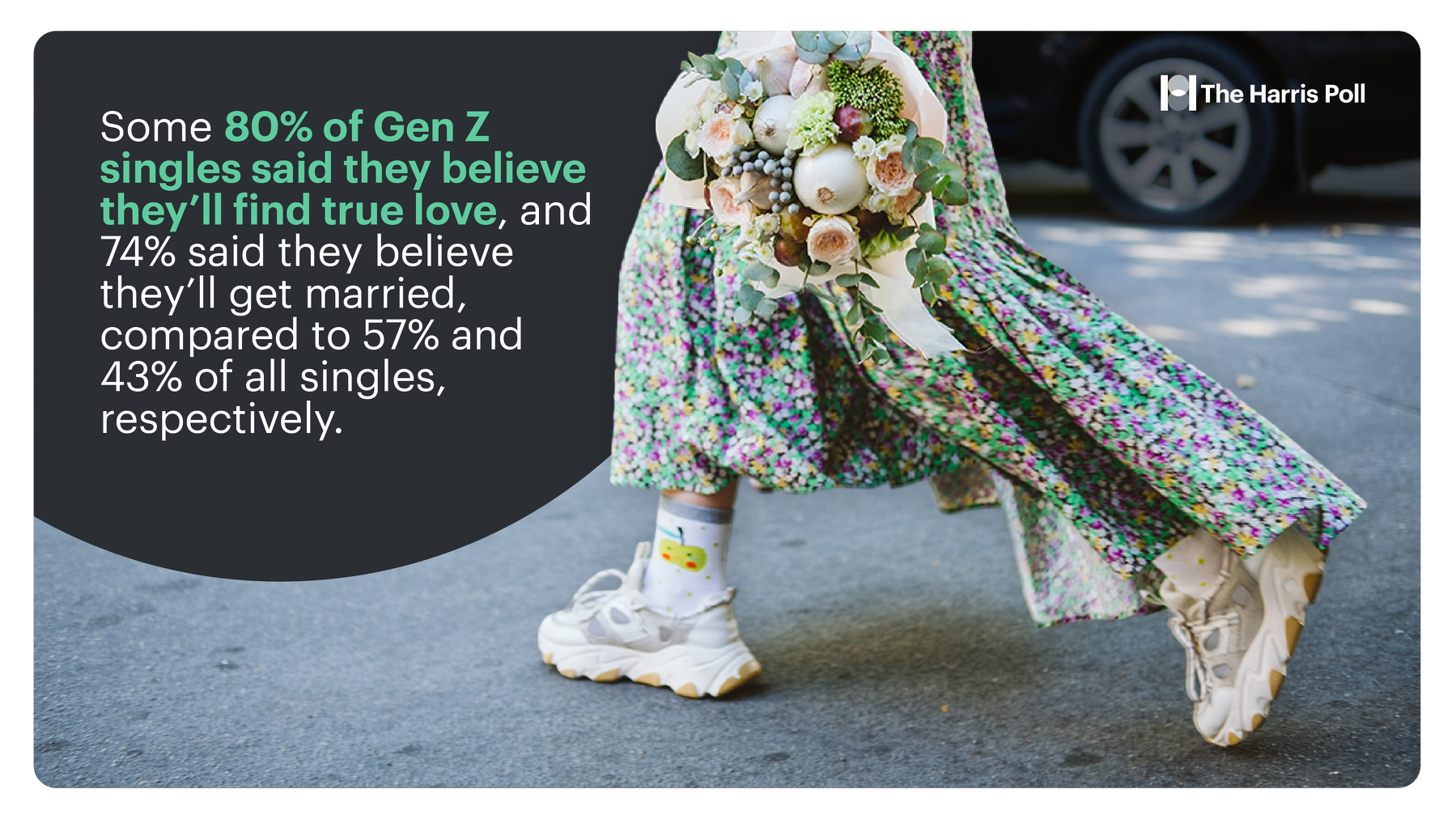
- Quality over quantity: Gen Z prioritizes meaningful connections over casual encounters, despite stereotypes about hookup culture.
- App fatigue is real: Even digital natives express growing frustration with dating app experiences and superficial interactions.
- Authenticity is non-negotiable: This generation demands genuine profiles, honest communication, and real emotional connections.
Takeaway: Gen Z’s approach to dating reflects broader values around authenticity and intentional relationship-building. Dating platforms that facilitate genuine connections, rather than just matching algorithms, are likely to resonate more with this demographic.
Do your dating preferences match up?
The Opt-Out Economy: When Less Becomes More
Americans are actively choosing to “opt out” of traditional economic participation. This countertrend reveals shifting attitudes toward consumption, work, and what constitutes a fulfilling life.
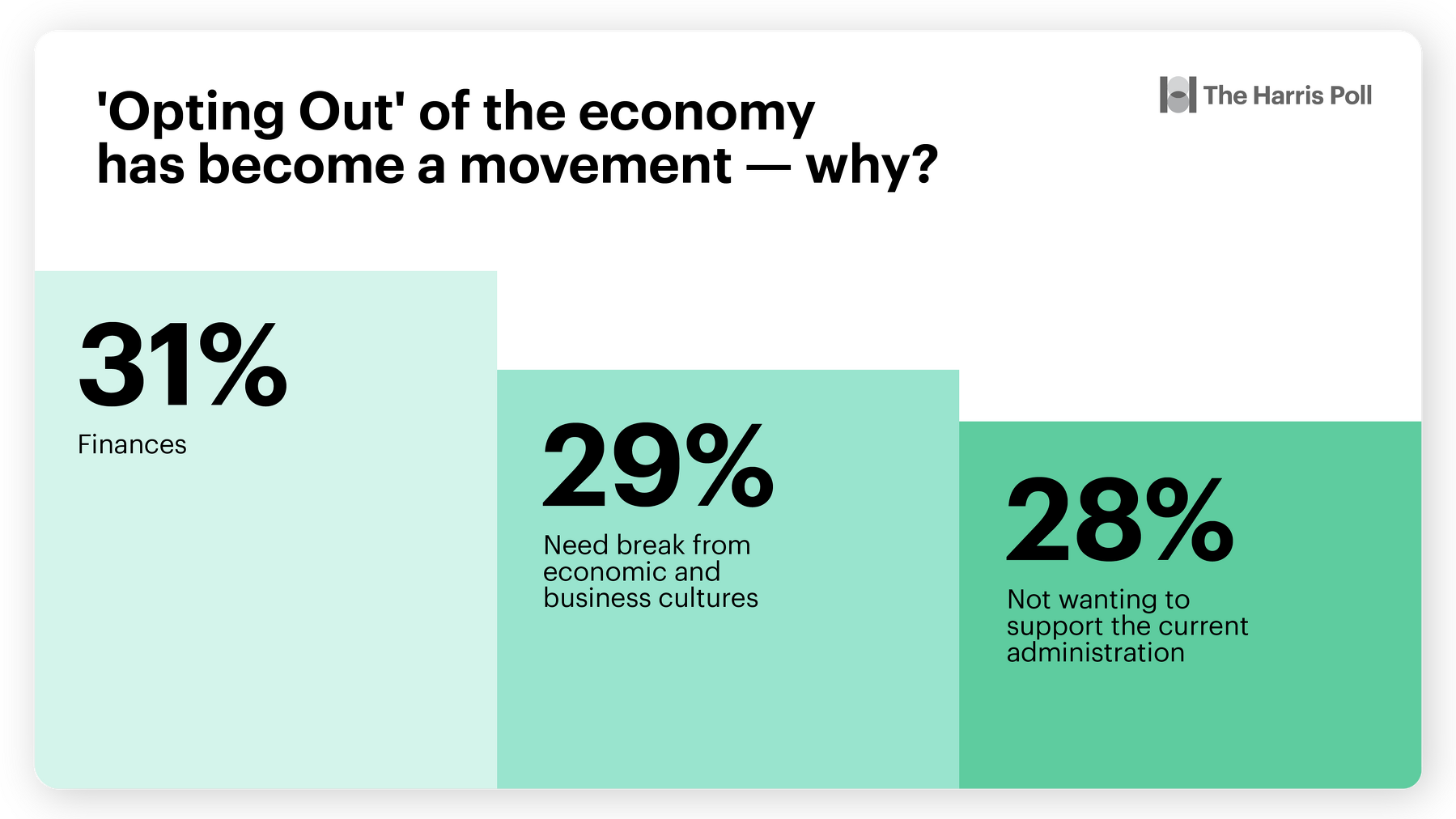
- Intentional downsizing grows: More Americans are deliberately reducing their economic footprint and material consumption.
- Values drive decisions: Environmental concerns, social impact, and work-life balance increasingly influence economic choices.
- Ripple effects emerge: This trend has implications for everything from retail sales to employment patterns and economic growth.
Takeaway: The opt-out economy signals more than individual lifestyle choices—it represents evolving definitions of success and satisfaction that could reshape consumer capitalism. Businesses must understand these shifting values to remain relevant.