


 4 Min Read
Most people diagnosed with bladder cancer face a difficult reality: the treatments available often carry a heavy personal cost. A new global survey commissioned by Johnson & Johnson and conducted by The Harris Poll shows just how significant that cost is – and how often it goes unspoken.
The research was conducted in collaboration with the International Bladder Cancer Group (IBCG), the World Bladder Cancer Patient Coalition (WBCPC), and the Bladder Cancer Advocacy Network (BCAN). It captured the experiences of 817 patients with non-muscle-invasive bladder cancer (NMIBC) and 802 urologists across six countries: the U.S., Mexico, Brazil, Japan, Germany, and France.
The burden is largely hidden
More than 90% of patients who underwent bladder removal surgery or received Bacillus Calmette-Guérin (BCG) treatment report negative impacts on their physical, emotional, and mental health. More than half describe those impacts as moderate or significant.
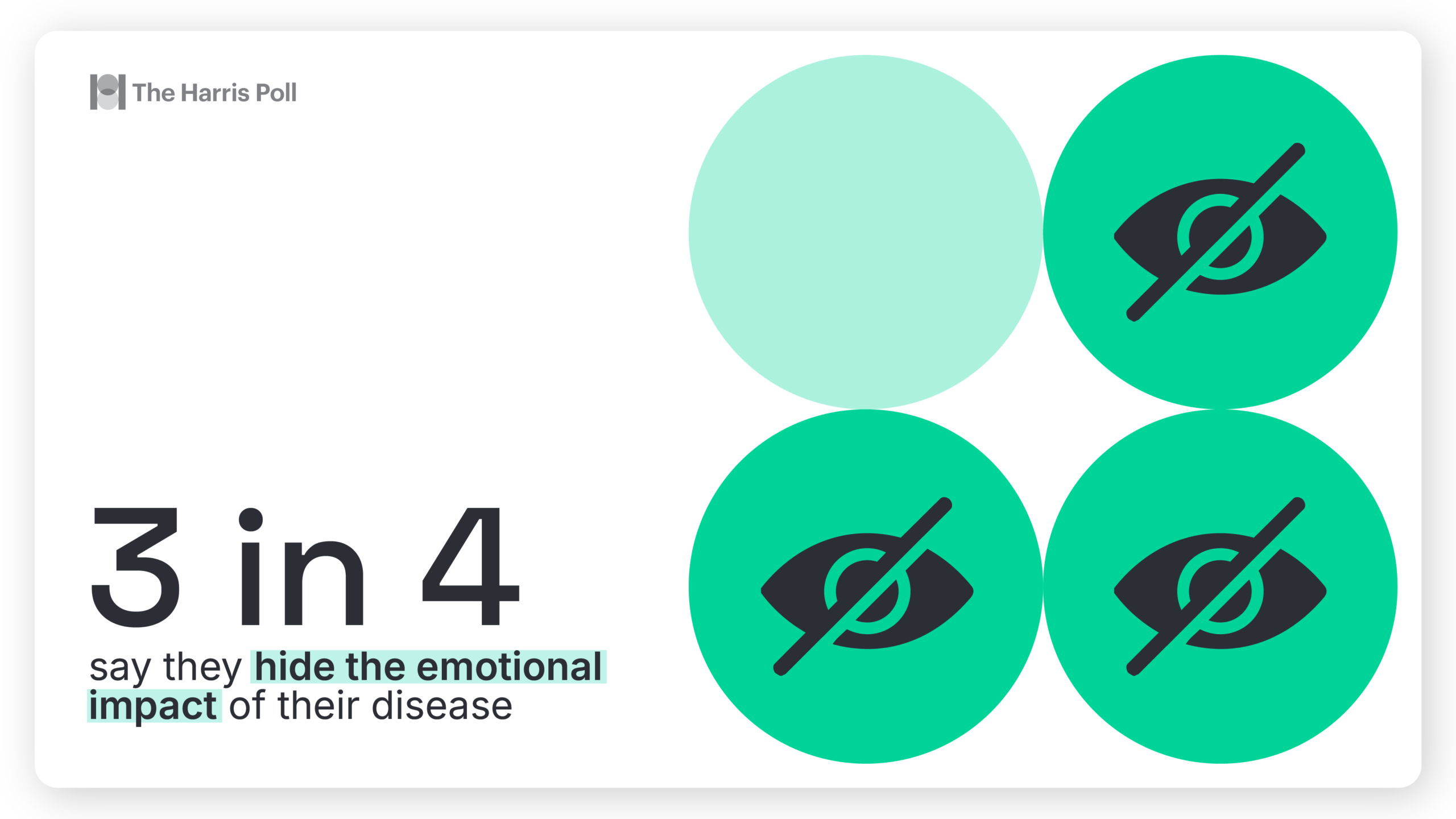
What’s striking is how much emotional stress patients absorb alone. About three in four say they hide the emotional impact of their disease. One in three always, or often, conceals how they feel.
Among patients treated with BCG, 80% report loss of control over their body and 69% report loss of dignity or sense of self. Three in four describe managing the treatment-related physical symptoms as humiliating.
The limits of current care
Urologists see this gap too. Nearly 80% say they wish they had more time during appointments to discuss the mental and emotional effects of bladder cancer. And 40% of urologists who have recommended bladder removal surgery say they regret doing so.
“9 in 10 urologists say they wish there were better ways to address the emotional and mental impacts of bladder cancer treatment.”
Ashish M. Kamat, M.D., Founding President of the International Bladder Cancer Group and Professor of Urologic Oncology at UT MD Anderson Cancer Center, says: “For those living with non-muscle-invasive bladder cancer, the decision to remove the bladder is a difficult crossroad.
“When nearly 40% of urologists surveyed who have recommended this surgery say they regret doing so, it reflects the limits of what current care can offer – not a failure of clinical judgment. These findings reinforce the importance of shared decision-making, realistic expectation-setting, and continued innovation to give patients more options that align with their goals and quality of life.”
Treatment disrupts daily life
- Nearly all patients (94%) say they missed at least one significant life moment because of their treatment.
- More than one in three avoided socializing with friends and family
- More than one in three stopped leaving their home or going out in public
- Nearly half cite depression and anxiety as a primary driver of those missed moments
Patients and doctors want better options
Both groups are aligned: current treatments aren’t meeting the full range of patient needs.
When making treatment decisions, more than one in three patients say limiting disruption to their life is a top priority. Nearly half of urologists say the same. Nine in ten urologists say they wish there were better ways to address the emotional and mental impacts of bladder cancer treatment. A strong majority of both patients and urologists want more innovative treatment approaches beyond those in common use today.
What the data signals
Bladder cancer demands long-term surveillance and repeated intervention. This survey adds important context to that clinical picture. The experience of treatment isn’t just medical; it’s personal, social, and often isolating.
About the research
This research was conducted online within the United States, Brazil, France, Germany, Japan, and Mexico by The Harris Poll on behalf of Johnson & Johnson from November 25 – December 29, 2025, among 817 adults diagnosed with non-muscle-invasive bladder cancer (NMIBC) and 802 urologists who treat NMIBC patients. The sampling precision of The Harris Poll online polls is measured using a Bayesian credible interval.
Full survey results are available at jnj.com/BladderBurdenSurvey.