


 3 Min Read
America’s Past-Times? Social Media Reveals Baseball and Hockey’s Popularity Battle
Can social media predict the future of North America’s favorite sports? Our analysis of cross-border social engagement reveals surprising trends as baseball surges in Canada while hockey gains ground in the U.S.
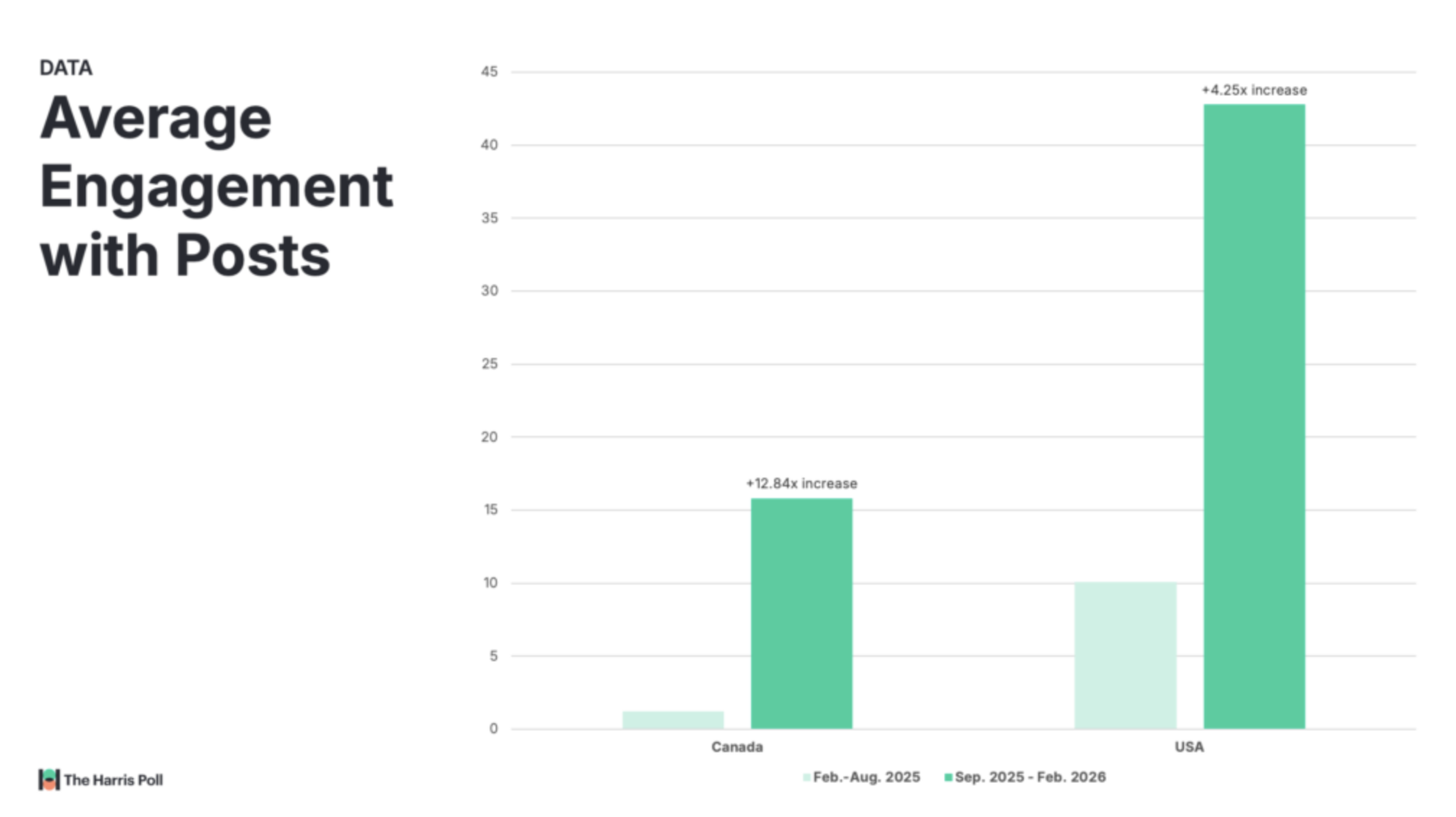
- Canadian baseball buzz: Following the Blue Jays’ historic World Series run, Canadian social media engagement with baseball content jumped from 4% to 9% and shows no signs of slowing.
- U.S. hockey plateau: Despite Olympic gold medals, American hockey engagement returned to pre-tournament levels, suggesting the victories weren’t enough to drive lasting interest.
- The power of narrative: Underdog stories and national pride prove more influential than pure athletic achievement in driving sustained fan engagement.
Takeaway: Social media data suggests that compelling storylines—like Canada’s underdog Blue Jays run—create more lasting fan engagement than isolated victories. For sports marketers, the lesson is clear: invest in narrative, not just performance.
What’s Your Choice: Baseball or Hockey?
Global English Skills: The Strategic Role of Workplace Proficiency
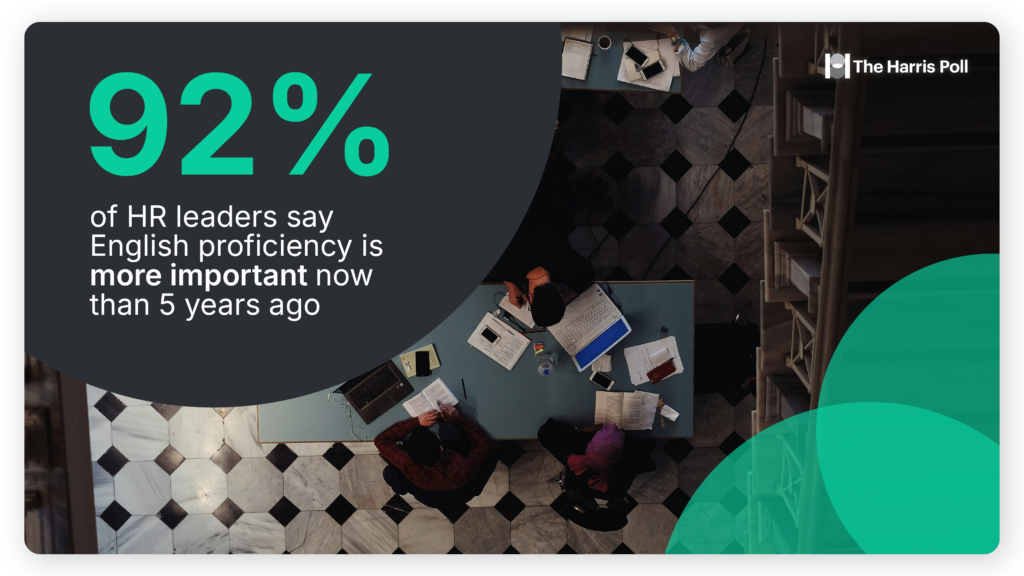
ETS’s comprehensive global survey reveals that English proficiency has become more critical than ever, with 92% of HR leaders saying it’s more important now than five years ago—and AI isn’t changing that need.
- AI amplifies, doesn’t replace: 81% of employers say AI integration increases the need for English proficiency, as workers must interact effectively with English-based tools.
- Assessment gaps remain: While 90% of organizations prioritize English skills, accuracy and quality are the biggest shortcomings in current screening tools.
- Government policies matter: Regions with English proficiency mandates report 7% higher satisfaction with business partnerships.
Takeaway: “English proficiency is critical to organizational success, and standardized assessments provide the most reliable path to building a globally competitive workforce. Organizations investing in proper assessment see measurable returns in productivity and growth.” – ETS Global Research
KinderCare Parent Confidence Index: Childcare Benefits Rise Above Retirement
Working parents are reshuffling their benefit priorities, with childcare support now ranking third—ahead of retirement benefits—while 28% lack emergency backup options for their children. Our latest research for KinderCare shows:
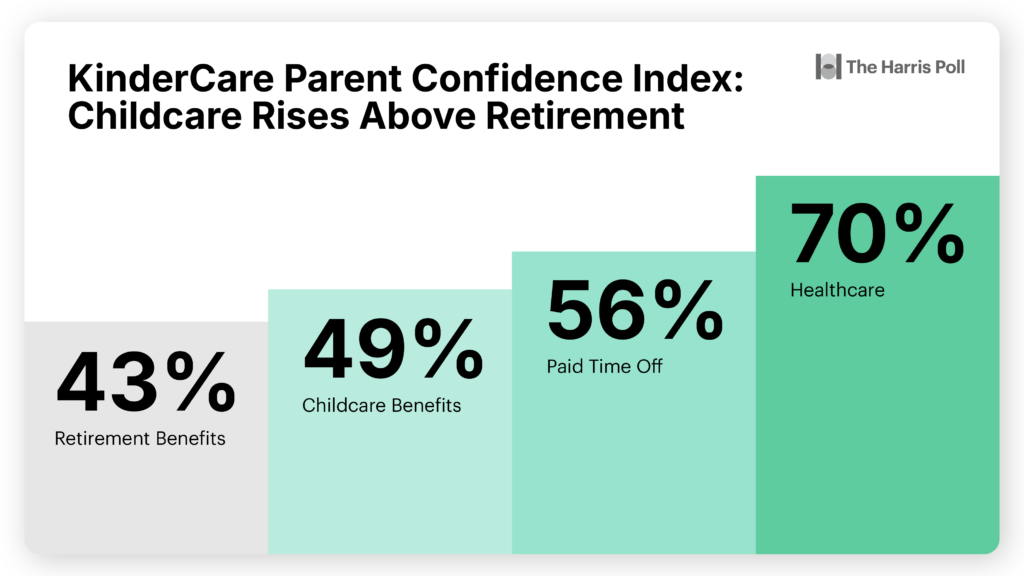
- Benefit priority shift: 49% of parents rank childcare benefits in their top 3 most important job perks, with 26% of low-income parents calling it their #1 need.
- The exodus continues: 72% know someone who left work due to childcare challenges, up significantly from previous years.
- Company blind spots: While 71% of companies promote benefits constantly, they rarely highlight parent support—creating a transparency gap.
Takeaway:The “traditional benefits” hierarchy is crumbling as parents prioritize immediate needs over long-term planning. Companies that recognize this shift and clearly communicate parent support will have a competitive advantage in talent retention.
Gen Z’s DIY Career Strategy: Self-Taught Skills Over Formal Education
Fast Company highlights how two-thirds of Gen Z rely on self-taught skills for job hunting, creating new challenges for employers trying to evaluate non-traditional qualifications in a competitive market.
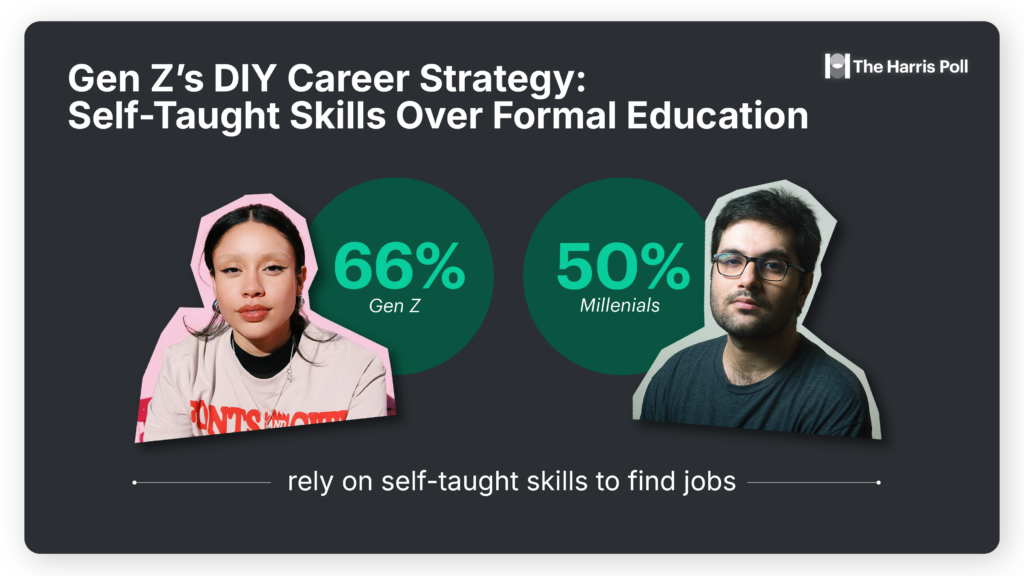
- The skill-stacking generation: Gen Z leads the charge in combining self-taught abilities, with 66% building careers around YouTube tutorials, online courses, and personal projects.
- Credibility questions: While 74% of job seekers and 71% of hiring managers see self-taught skills as credible, evaluation remains challenging.
- Portfolio over diploma: This generation views skill demonstration as more valuable than formal credentials, reshaping how they approach career development.
Takeaway: Gen Z’s embrace of self-directed learning reflects broader changes in how we define professional competency. Employers who can effectively assess and value these non-traditional skill sets will access a wider, more adaptable talent pool.