

 5 Min Read
Insights from the 2024 Copa América
I’m writing this article from Buenos Aires, Argentina—proud home of the current world champions. There are few places on Earth where football is lived as intensely as it is here. Every four years, the nation slips into countdown mode, and when the World Cup finally arrives, life pauses. The tournament dominates the social calendar, and everyday routines reorganize themselves around one sacred question: Where are we watching the match? Superstitions multiply, watch parties fill every corner of the country, and everyone hopes their ritual will help Argentina bring the trophy home.
The final in Qatar 2022 became a historical milestone, especially for Argentines under 34, who had never seen their national team win a World Cup (the previous title was in 1986). Each of us remembers exactly where we were, who we were with, and how we reacted. It’s the kind of collective memory that binds a country.
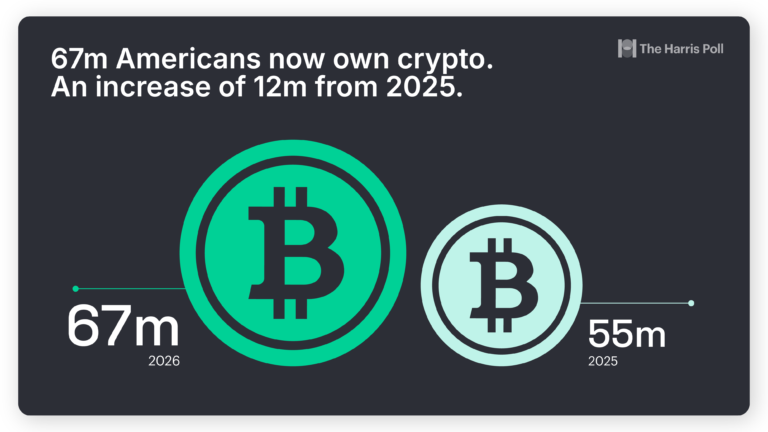
The 2026 World Cup will take place in the United States, and according to The Harris Poll, 46% of American adults are aware of the event and 38% express interest, boosted by the fact that the tournament will be played on U.S. soil. While football may not lie at the core of America’s sports DNA, it is one of the fastest-growing and most dynamic sports in the country.
From a marketing perspective, the World Cup represents one of the biggest peaks of global advertising activity. Noise levels skyrocket as brands speak simultaneously—often using the same creative formula: a world-class player, a packed stadium, iconic jerseys, dramatic chants, ecstatic fans, and the World Cup trophy shining at the center.
So the real question becomes: How can brands be truly effective in this environment? In other words:
- How do we ensure ads are remembered and correctly linked to their brands?
- How do we make messages resonate and strengthen brand equity long-term?
In 2024, the Copa América offered an ideal “pre-World Cup” scenario, bringing together the top national teams from across the Americas—from Canada to Argentina. At Harris Poll Latam, we measure ad effectiveness throughout the year in Argentina and partner with the National Advertisers Association to award the most effective campaigns annually.
During this tournament, three campaigns stood out:
- Mostaza, a fast-food chain that featured Argentina’s star goalkeeper,
- YPF, the country’s largest energy company, with none other than Leo Messi, and
- Schneider, a mainstream beer brand that didn’t use any celebrities at all.
From these cases, we distilled essential insights for brands looking to be effective during an unprecedented event like the World Cup:
- The brand must be the protagonist from the very start
- Audiences should understand within the first seconds who is telling the story.
- If the narrative still works without the brand, that’s a red flag—you need to go back to the locker room and rethink the play.
- In Argentina, 5 out of 10 ads are not correctly attributed to the brand, and the World Cup is the last place you want to fall into that statistic.
- Leo Messi works—if he works for the brand
- A global superstar doesn’t guarantee effectiveness if the brand fades into the background.
- Success means being able to tell a friend: “Did you see the ad? The one from brand X—the one with Messi?”
- The brand must remain the real hero.
- When a celebrity’s personality aligns with the product’s values and the brand’s message, you’ve got a powerful ally for 2026.
- Give football clichés a creative twist
- Flags, jerseys, chants, superstitions—they’re inevitable. Every brand will use them.
- The trick isn’t to avoid them but to reinvent them in a way only your brand can.
- Find that creative spark—the “wow factor”—that elevates your story above the noise.
- Humor beats solemnity
- Even though the World Cup taps into national pride, pure emotionality often slips into overly epic sentimentality that doesn’t stand out.
- Experience tells us: humor cuts through the clutter and boosts recall.
- In these moments, a smile wins over tears.
- You win the game in the first second
- Attention is scarce and fragmented.
- An unexpected, bold, or humorous opening is key to keeping audiences watching—and remembering.
- That first second must hit hard.
- Just like in the Super Bowl, the World Cup does not forgive slow starts.
There are no foolproof formulas for effective advertising, and what works in Latin America doesn’t automatically translate to the U.S. market. Each country has its own cultural codes and its own way of experiencing football. Still, the lessons from the Copa América offer a universal compass—creative principles that transcend borders and are worth putting on the table as we plan communication strategies for 2026. They won’t guarantee miracles, but they will significantly increase the chances of a brand making a lasting impression when the entire world is watching.