


 4 Min Read
The $124 Trillion Shift: What the Great Wealth Transfer Means for Financial Services
A once-in-a-generation shift in financial power is underway. Over the next 25 years, $124 trillion in assets will be handed down from Boomers and Silent Generation households to Gen X and Millennials. This seismic wealth transfer brings new expectations (and pressure) for financial institutions to evolve how they communicate, engage, and advise.
- Younger clients demand more touchpoints: 64% of younger Americans connect with their advisor multiple times a month, compared to just 7% of older clients.
- Human matters more than AI: 89% of older and 66% of younger Americans trust a person over an algorithm when making financial decisions.
- Digital convenience still counts: Clients want strong relationships and seamless digital tools.

Takeaway:The future of financial services lies in balancing digital access with human trust. Advisors who adapt communication styles and prioritize relationships will be best positioned to retain assets and win loyalty as wealth changes hands.
Check out additional, top-tier news coverage of this story in Yahoo Finance, Investopedia, Wealth Management, and Medium.
Boomers Go Bold: How Legacy Brands and Newcomers Are Winning Gen X’s Parents
This quarter’s QuestBrand data shows that Baby Boomers are embracing a mix of classic comforts and fresh cultural signals. Brands that tap into nostalgia, utility, and cross-generational storytelling are breaking through, and even Gen Z-native brands are cracking Boomer loyalty lists.
- Old Spice surged 11.3% in brand equity thanks to a creative reboot of its “Smell Like a Man” legacy.
- Poppi, fresh off its PepsiCo buyout, expanded beyond Gen Z with health-focused community events.
- La-Z-Boy and Ace Hardware gained traction by leaning into seasonal comfort and home improvement.
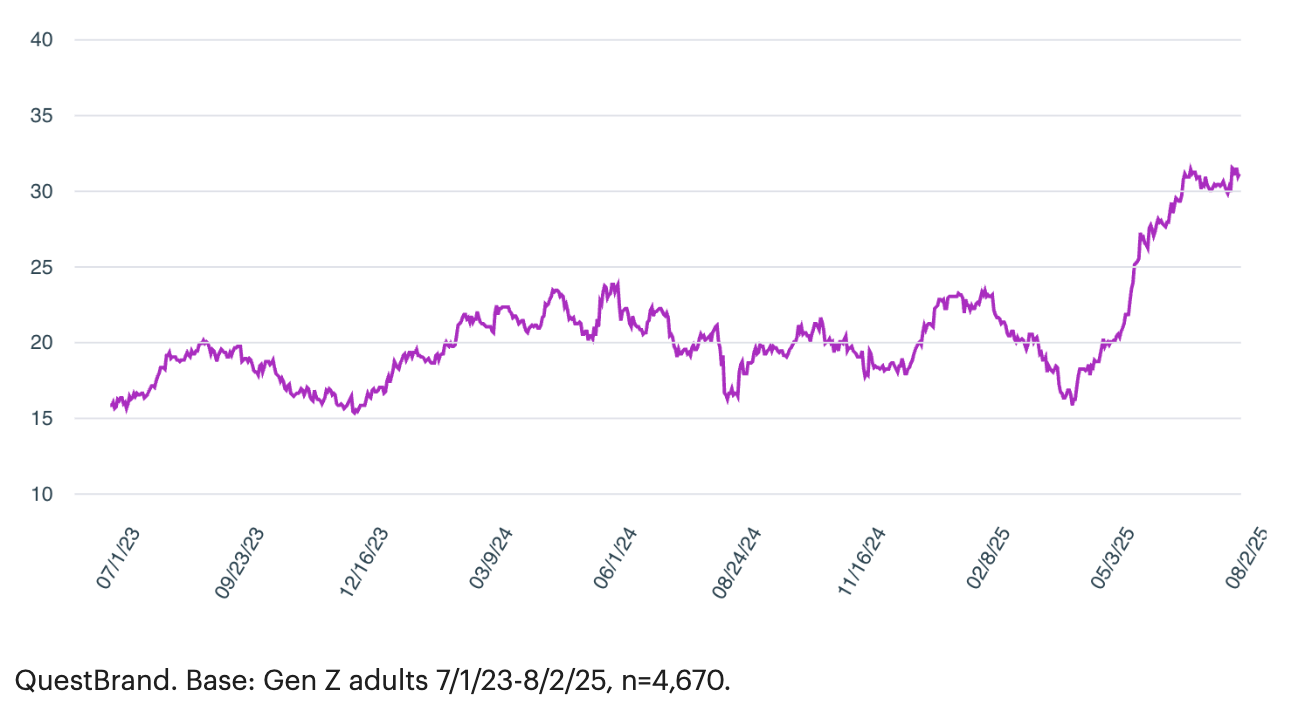
Takeaway: Boomers still value consistency and reputation, but cultural crossover is the new frontier. Brands that remain emotionally relevant while flexing to broader audiences are seeing equity gains across generations.
Game On: Generative AI Is Reprogramming the Video Game Industry
Nearly every game developer today is using generative AI in some capacity, and the impact is reshaping how games are imagined, built, and played. In a recent study by Google Cloud and The Harris Poll, developers shared how they’re integrating AI across the pipeline.
- 97% say gen AI is transforming the industry.
- 90% of game developers already use AI in their daily work.
- New roles are emerging, alongside AI-powered NPCs, gameplay loops, and content creation workflows.
- But concerns remain: 63% worry about data ownership and IP rights.
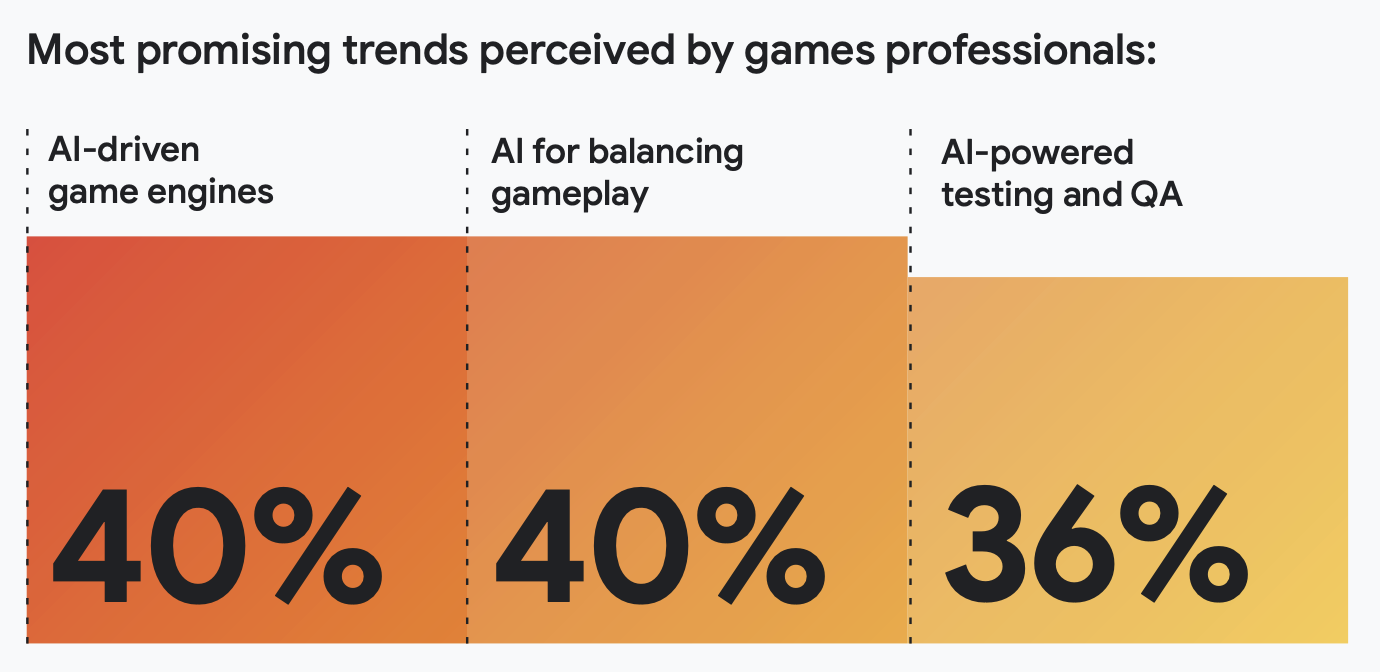
Takeaway: AI isn’t just a tool, it’s a creative partner. Studios that balance innovation with responsibility will lead the next era of games, especially as players come to expect more lifelike and dynamic experiences.
Debt Has No Income Bracket: Financial Stress Hits Every Household
The latest Harris Poll data for the National Foundation for Credit Counseling (NFCC) reveals a troubling truth: debt anxiety is now a universal concern. Whether making $40K or $140K, Americans are both worried and struggling to keep up.
- “Negative debt behaviors” are rising across the board, including late payments and debt consolidation.
- 30% of high-income consumers say they’re more concerned now about emergency expenses than six months ago.
- 1 in 5 are more worriedabout paying bills on time, despite earning six figures.
Takeaway: Financial pressure isn’t just a low-income issue anymore. For brands in banking, lending, or personal finance, this is a moment to reframe messaging and provide solutions that speak to financial stress at every level.
The RN Retention Crisis: How Financial Stress Is Driving Nurses Away
Healthcare’s nursing shortage isn’t just a labor issue, it’s a financial one. New Harris Poll research conducted with DailyPay found that financial strain is a major contributor to nurse burnout and turnover.
- 57% of healthcare workers report feeling stressed about their finances.
- 49% say it’s hard to pay bills on time, and 1 in 4 couldn’t pay a bill in the past year.
- 82% say being paid more frequently would help, while 48% specifically cite On-Demand Pay to stabilize personal finances.
Takeaway: Solving the nursing shortage means solving for financial wellness. Healthcare organizations have a chance to rethink benefits, offering flexible pay models that help retain critical talent and reduce burnout.