

 4 Min Read
The latest trends in society and culture from The Harris Poll
Good afternoon from New York.
One Interesting Stat: 3 Did you know that Americans are nearly three times more likely to travel for concerts and sporting events than for work trips? This may be why Airbnb launched a global partnership with Lollapalooza festivals worldwide. Our research into the IRL social trend is only growing, so think experientially and be a brand that is a convenor.
Grocery Tourism Is a Thing: Mondelēz-Harris Poll
Hey, where’s the latest dining hotspot? Try the grocery aisle. Instead of just pop and chips, younger consumers are flocking to the global foods section in aisle 4.
- What we found: (75%) globally (and 83% of Gen Z) are excited to see and try new snacks – from Squashies to Buldak ramen and Dubai Chocolate.
- The stat you can’t ignore: Sales of instant noodles have risen by 50% year on year, all while South Korea’s snack exports soared to $40 million for the first time in February.
- What to consider: (74%) of Gen Z and Millennials get their snack inspiration from social media, with 29% having already been on a food-first vacation.
Check out our research here.
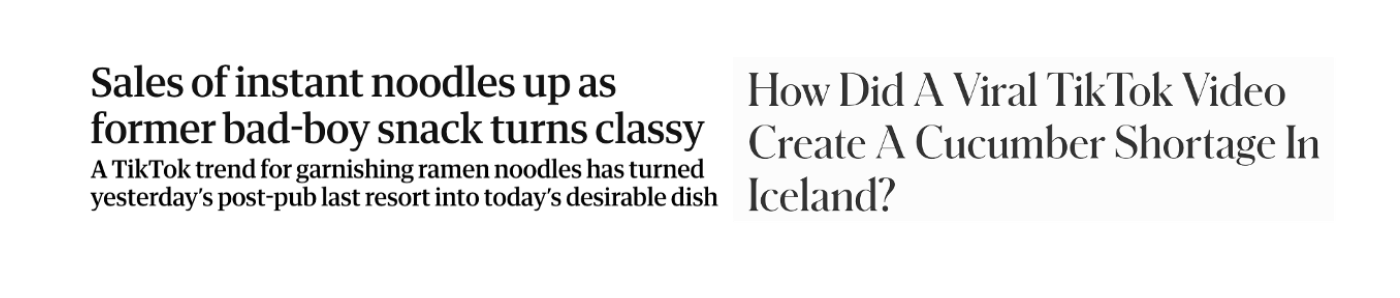
What this means: It’s more than just snacks; it’s its own economy. Searches for ramen noodles alone have jumped by 35%, while the chili oil and seaweed garnishes have also seen significant growth (48% and 20%). The record-breaking February for Korean snacks saw a 32% increase from the previous year. That’s not all, the “Sometimes you just need to eat a cucumber” TikTok trend led to a shortage in Iceland. When snacking has become a balm to daily stress, it might pay to invest in a Chester Cheetah partnership (Cheetos).
Visuals Drive Modern Branding: Canva-Harris Poll
Ever wondered why your company has growing friction and slowing productivity? See if your text-heavy workflows and lack of visual content are holding you back.
- What we found: The US invests over $143 billion annually in creating visual content, yet most companies fail to unlock its full potential.
- The stat you can’t ignore: (88%) of leaders say visual fluency is a must-have skill for leadership positions, yet only (22%) of organizations consider themself design-led.
- What to consider: Visual content triggers recall (74%) faster than dull alternatives, and (66%) of design-led companies report more transparent and efficient communication.
Learn more in the full research here, and join us next week for a live webinar where we’ll unpack these findings and share what they mean for leaders today.
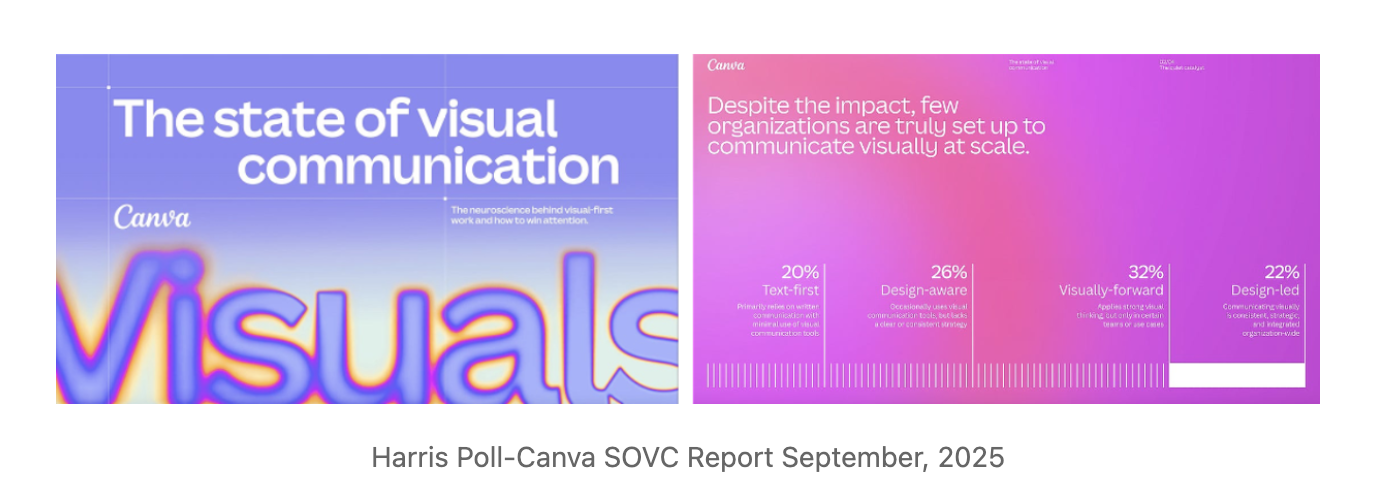
What this means: Trust your eyes: The new language of work is visual. We’re in a vibes era, where you need to set the feeling instantly for people to lean in and discover. Our data reveals that poor visual communications cause delays and confusion, which slow down organizational alignment and create friction with customers. As information is compressed to mere milliseconds of attention, non-verbal design cues become increasingly critical in capturing brand attention and memorability. Something to keep in mind: Our survey found that three in five (61%) see stronger brand cohesion and increased differentiation.
Helping Gen Z Prevents a Business Brain Drain: Big Brothers Big Sisters-Harris Poll
We’ve written about Gen Z’s struggles with AI in the entry-level job market. But another source of their struggles is accessing something old-fashioned and 100% human: mentorship.
- What we found: Only (41%) of those 18 to 25 feel highly confident navigating today’s job market, in part because (74%) lack access to mentorship.
- The stat you can’t ignore: Four in five managers (82%) say Gen Z employees lack the necessary skills in the workplace.
- What to consider: This gap has severe business consequences in that (47%) of employees have been left learning a role on their own instead of from older colleagues.
Discover the Harris Poll research here.
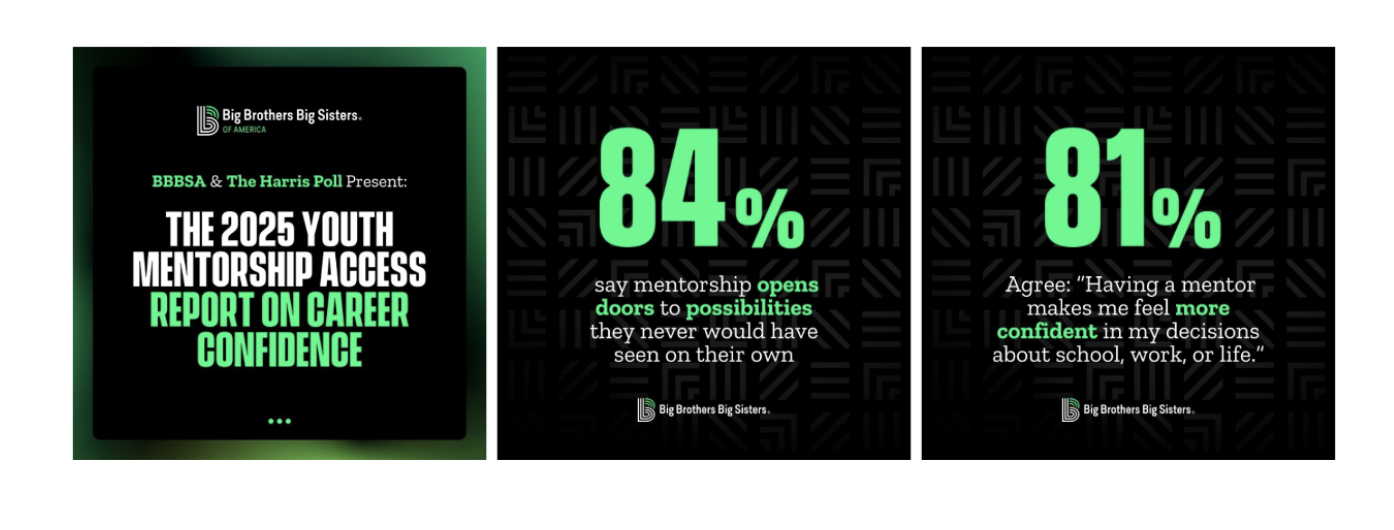
What this means is that the brain drain hits the bottom line, from productivity to talent development. “This isn’t about work ethic – it’s about a generation that needs guidance,” says our CSO Libby Rodney. By failing to bridge the gap between younger and older employees, companies will be ill-prepared for the record number of boomers leaving the workforce in the next five years.