


 3 Min Read
The American middle class continues to embody the nation’s work ethic and optimism for the future. Yet new data from The Harris Poll for Transamerica Institute and the Transamerica Center for Retirement Studies reveals that retirement security remains fragile across age groups.
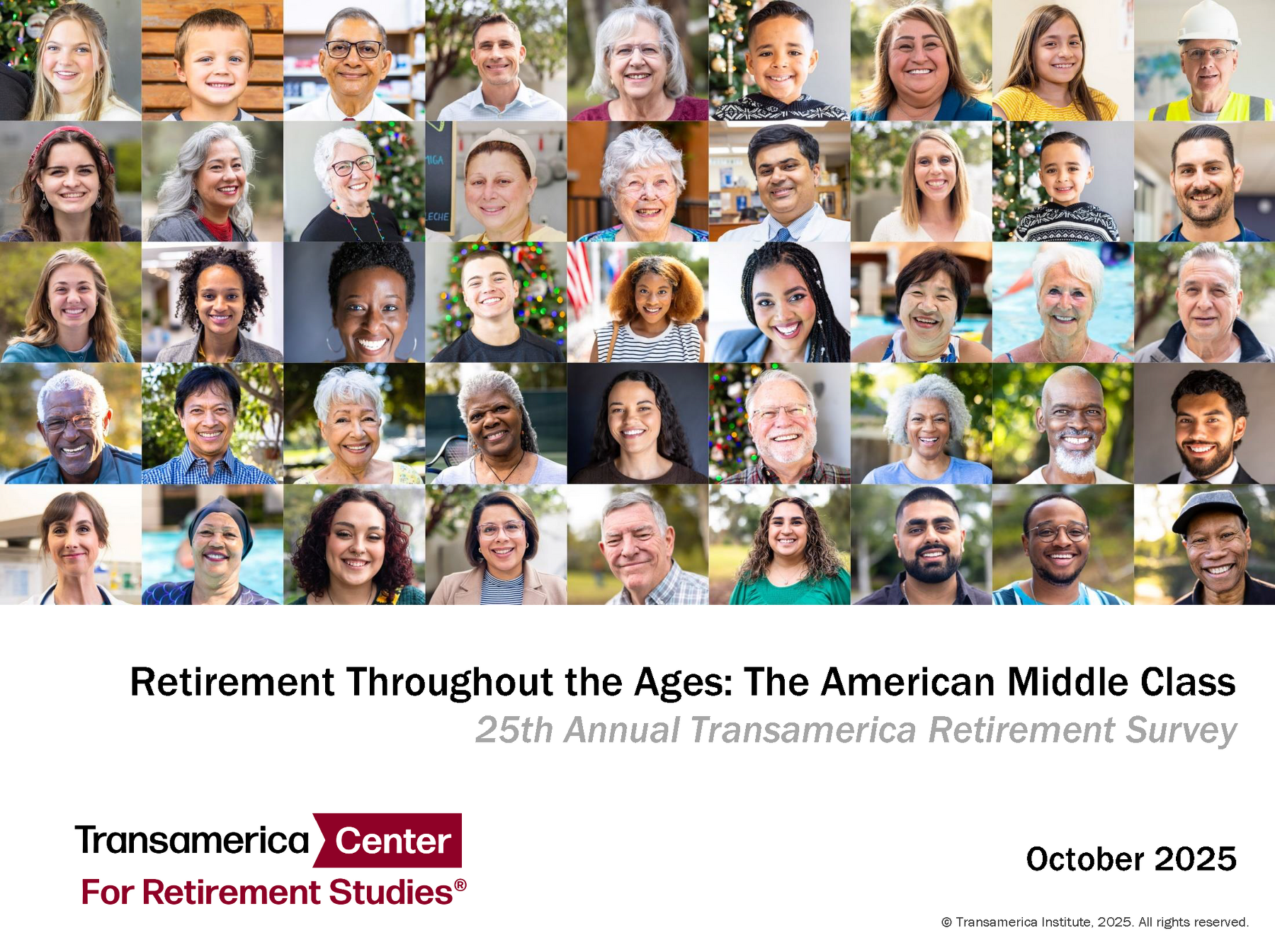
According to the report, Retirement Throughout the Ages: The American Middle Class, most people in the middle class are working hard, saving when they can, and caring for both children and aging relatives, all while facing financial strain, technological disruption, and concerns about the future of Social Security.
Saving Early, But Feeling Unprepared
Younger adults are taking retirement seriously, but many feel overwhelmed. Among middle-class Americans in their twenties, 77% are already saving for retirement, typically beginning at age 21. Yet over half say they struggle to make ends meet, and only 17% report strong financial knowledge.
By their thirties, financial awareness rises, but pressures multiply. Half cite financial planning as a top life priority, and 83% are saving for retirement, yet only 29% have a formal written plan. Nearly half are worried that AI and robotics could threaten their job stability. The data suggests that middle-class workers are highly motivated but lack confidence in their ability to navigate modern financial challenges.
Midlife Pressures and the “Retirement Danger Zone”
For those in their forties and fifties, competing priorities take center stage. Many are balancing careers, caregiving, and college costs while still trying to build a retirement cushion. Eight in ten fortysomethings are saving for retirement, but the median balance remains modest at $73,000.
By their fifties, many enter what experts call the “retirement danger zone.” The typical middle-class worker in this age group has saved $112,000, yet more than half expect to retire after age 65 or not at all. Only 21% have a written retirement plan, and fewer than one in three regularly consult a financial advisor.
As Catherine Collinson, CEO and President of Transamerica Institute, notes, “Fiftysomethings must be hypervigilant about safeguarding their health and keeping their job skills up to date. It is also critical that they create a financial strategy that anticipates potential setbacks.”
Retirement Realities for Older Americans
By their sixties, Americans are shifting from work to retirement with mixed levels of readiness. More than half of sixtysomethings (52%) are retired, while 40% continue working. Social Security remains a lifeline for many, serving as the primary source of income for four in ten retirees.
Older Americans share common concerns about longevity and health care costs. Nearly half of those aged 70 and older worry about declining health requiring long-term care, yet only 16% are confident they can afford it.
Collinson sums it up: “The middle class is the heartbeat of our economy, but their ability to achieve a financially secure retirement is hanging in the balance. Greater collaboration among policymakers, employers, and the financial industry can ensure that all workers have access to the tools and education needed for long-term success.”
METHODOLOGY
Retirement Throughout the Ages: The American Middle Class is based on the 25th Annual Transamerica Retirement Survey, one of the largest and longest-running studies of its kind. Conducted online by The Harris Poll between September 11 and October 17, 2024, the survey includes 10,009 U.S. adults, among whom 5,369 are middle-class Americans with household incomes between $50,000 and $199,999.
The data is accurate to within ±1.2 percentage points at the 95% confidence level.
Read the full report at Transamerica Institute.