


 4 Min Read
In a continuation of our ongoing research into social media and technology use among children, young adults, and parents, The Harris Poll and Jonathan Haidt, along with his team of researchers, wanted to look deeper into how kids feel, use, and think about technology. The Harris Poll surveyed 522 kids aged 8 to 12 across the United States in March 2025. The responses provide rare, firsthand insight into the everyday trade-offs between online and offline life, and reveal a strong desire for more in-person connections and the freedom to explore the world around them.
Below are some of the key findings from the survey:
Smartphones and Screens Are the Norm
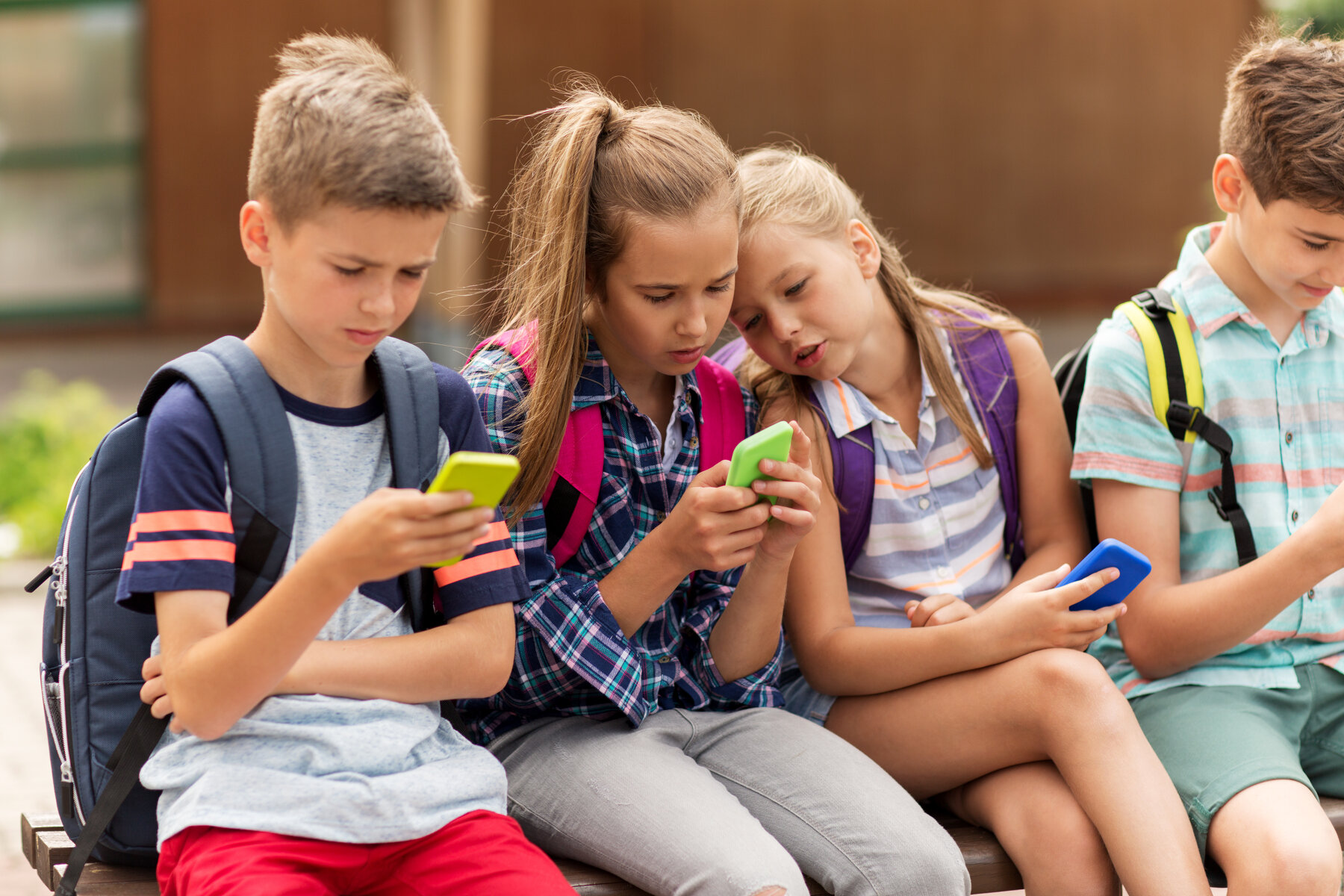
The survey finds that digital technology is deeply embedded in modern childhood. Beyond the fact that a majority of kids aged 8 to 12 reported owning a smartphone and that half of 10 to 12-year-olds said that “most or all” of their friends use social media, the survey reflected how kids are using these devices and platforms:
- 69% of 8 to 12 year olds say they stayed up past their bedtime using a phone, tablet/ipad and/or video game consoles.
- 31% of 8 to 12-year-olds have talked to artificial intelligence chatbots.
- 27% of 8 to 12-year-olds have posted pictures or videos of themselves on the internet or social media, including 22% of 8-9 year olds.
- 23% of 8 to 12-year-olds talked, chatted, or messaged with strangers online.
- Almost one in 10 (9%) 8 to 12-year-olds have been contacted by someone online in a way that made them feel uncomfortable.
Real-World Freedom Is Increasingly Rare
More than half of the kids surveyed have not experienced many real-life experiences on their own. According to the kids surveyed aged 8 to 12 years old:
- 45% have not walked in a different aisle than their parents at a store
- 56% have not talked with a neighbor without their parents
- 61% have not made plans with friends without adults helping them
- 62% have not walked/biked somewhere (a store, park, school) without an adult
- 63% have not built a structure outside (for example, a fort or treehouse)
- 67% have not done work that they’ve been paid for (e.g., mowing lawns, shoveling snow, babysitting)
- 71% have not used a sharp knife
Across in-person and virtual spaces, experiences differ for children living in rural, urban, or suburban areas:
- 56% of 8 to 12-year-olds in urban areas have not walked in a different aisle from their parents at a store, 44% in suburban areas have not, and 37% in rural areas have not.
- 51% of 8 to 12-year-olds in urban areas have not talked with a neighbor without parents, 61% suburban areas have not, and 56% in rural areas have not.
- 28% of 8 to 12-year-olds in urban areas say they have talked, chatted, or messaged with strangers online, 17% of 8-12 year olds in suburban areas say they have, and 25% in rural areas say they have.
Children Prefer In-Person, Unstructured Play
When given the choice between three types of social interaction, – unstructured play (e.g., playing outside or pickup games), structured adult-led activities (e.g., sports or lessons), or socializing online – kids overwhelmingly chose unstructured, in-person play as their favorite way to spend time with friends and the vast majority of them would rather spend most of their time doing things in person, without screens.
- Almost three-quarters (72%) of 8 to 12-year-olds say they would rather spend most of their time together doing things in-person, without screens (rather than spend most of their time together on screens and devices).
- When given the option:
- 45% said they would participate in an activity with their friends in person that’s not organized by adults, like a made up game, playing card, basketball, or exploring
- 30% said they would participate in an organized activity or class, like soccer, dance, or karate
- 25% said they would participate in an online activity with their friends like playing video games
- 61% want to play with friends in person without adults:
- 87% wish they could spend more time with their friends in person outside of school